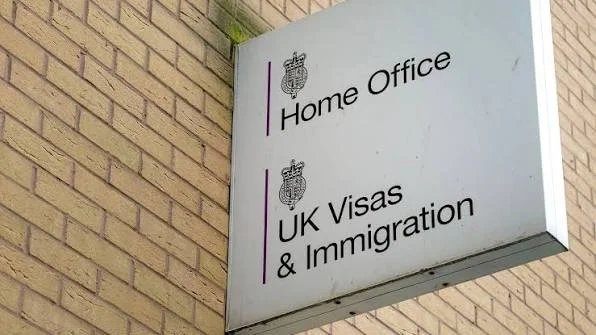
A United Kingdom judge has blocked the British government’s attempt to deport Nigerian national Tunde Lawal Alao, following his release from prison after serving a 31-month sentence for involvement in a fake driving licence production scam. The decision, delivered by Upper Tribunal Judge Priya Solanki, comes after Mr Alao successfully appealed against the Home Office’s deportation order, which was based on his criminal conviction and immigration status. The judge ruled that Mr Alao’s conduct since his release does not pose a significant threat to public safety or the fundamental interests of society.
Mr Alao was convicted in June 2022 of conspiracy to defraud the public after being found guilty of attempting to produce fraudulent driving licences between 2019 and January 2022. He pleaded guilty to the offence and was sentenced to 31 months in prison, along with a £149 fine. He was released in 2023 and immediately became the subject of deportation proceedings by the UK Home Office, citing his illegal stay in the country and prior criminal record.
Reports indicate that Mr Alao arrived in the UK either in 2004 or 2005 and lived without legal status for many years before applying for indefinite leave to remain under the EU Settlement Scheme in August 2020. Although he had violated immigration rules, he was granted limited leave to remain in 2021, shortly before his sentencing. Authorities had argued that his fraud scheme could have generated substantial profits, but the judge dismissed this as insufficient grounds for deportation.
In her ruling, Judge Solanki stated that the Home Office failed to prove that Mr Alao’s personal conduct represents a “genuine, present and sufficiently serious threat” to society. She emphasized that his actions since leaving prison show rehabilitation and responsible behaviour. This assessment was supported by a letter from Mr Alao’s employer, who described him as a valued team member since October 2023, working as an office assistant and client coordinator.
The employer highlighted Mr Alao’s positive integration into UK society, noting his strong relationships with colleagues and participation in community events. They stressed that his continued presence in the UK benefits both their business and the wider community. The judge took this evidence into account, reinforcing the view that Mr Alao has taken meaningful steps to rebuild his life.
This case underscores ongoing debates about rehabilitation, second chances, and the balance between public safety and humanitarian considerations in immigration decisions. As the UK continues to enforce strict deportation policies, rulings like this one may influence how similar cases are handled in the future. Mr Alao’s situation reflects the complex interplay between criminal justice and immigration law, and his ability to reintegrate into society may serve as a precedent for others seeking to restart their lives after incarceration.



Leave a Comment