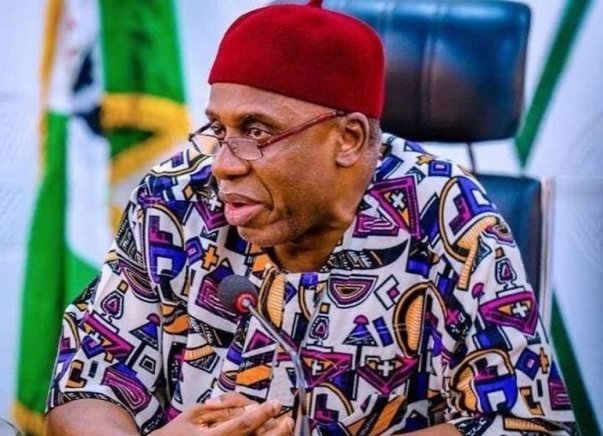
He further explained that his disagreement with Jonathan’s leadership was rooted in policy decisions, not personal animosity. Amaechi pointed out that his role as Chairman of the Governors Forum gave him a platform to influence national policy, which may have made him a target. He added that his opposition to certain policies was not limited to the PDP era, citing his stance during the APC primaries when he publicly expressed disagreement with President Bola Tinubu’s victory.
The revelations come amid ongoing political realignments and tensions within Nigeria’s major political parties. Amaechi, who is currently a chieftain of the African Democratic Congress (ADC), continues to be a significant figure in Nigerian politics, particularly in the South-South region. His comments highlight the often contentious nature of party politics in Nigeria, where loyalty, influence, and policy disagreements can lead to high-profile expulsions and power shifts.
As Nigeria prepares for future elections and political transitions, Amaechi’s account underscores the personal and structural challenges faced by political leaders who dare to speak out. His story adds context to the broader narrative of political survival and influence in a country where party loyalty is frequently tested. The developments may influence how other governors and party leaders navigate internal party dynamics in the coming years.



Leave a Comment