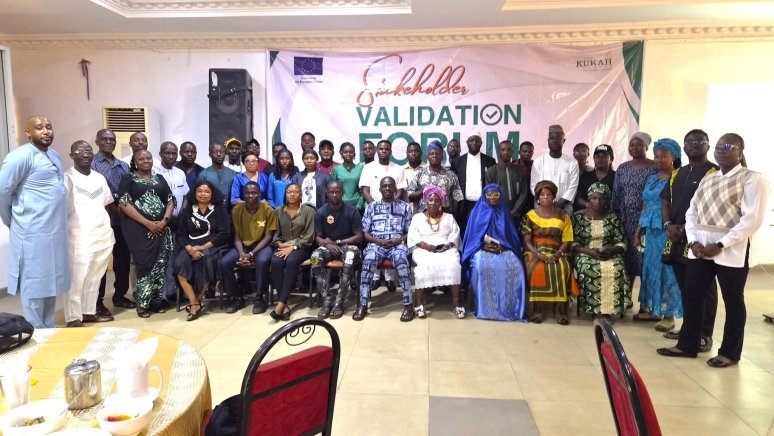
The Osun governorship election scheduled for August 15, 2026, is facing mounting concerns over security, political competition, and electoral preparedness, according to a new assessment released by the Kukah Centre. Stakeholders from across the political, security, and civil society spectrum have raised alarms over potential threats to a free, fair, and credible poll, emphasizing the need for stronger coordination and adherence to peace agreements. The findings were presented during a validation session where experts outlined key risks and recommended proactive measures to safeguard the electoral process.
The Kukah Centre’s research manager, Fatai Yusuf, highlighted that the political landscape in Osun State has become increasingly volatile, driven by a major realignment following the defection of the incumbent governor to a new political party. This shift has reconfigured alliances and intensified competition, turning the race into what Yusuf described as a three-way contest. He warned that such a scenario could exacerbate tensions and lead to instability across the state, especially in areas already marked by violence, injuries, and kidnappings.
Yusuf pointed to documented incidents in multiple local government areas as early indicators of potential flashpoints. These include politically motivated clashes, attacks on campaign workers, and abductions, all of which signal a fragile security environment ahead of the election. The findings underscore the urgent need for preventive strategies to address these risks before they escalate into full-scale violence.
Asabe Ndahi, the Project Manager at the Kukah Centre, stressed the broader significance of the 2026 Osun election. She described it not merely as a state-level contest, but as a critical test of Nigeria’s democratic resilience. “This election is a precursor to the 2027 general elections,” Ndahi said, adding that how it is managed will set a precedent for national electoral processes. The session brought together representatives from INEC, security agencies, political parties, and civil society organizations, all of whom agreed on the importance of institutional preparedness and responsible political conduct.
Participants collectively called on authorities to prioritize conflict prevention, address underlying grievances, and strengthen electoral infrastructure. They emphasized that unresolved political and institutional issues often serve as catalysts for violence during elections. The Kukah Centre’s assessment urges all stakeholders to act decisively to ensure that the 2026 Osun governorship election is conducted in peace and transparency, setting a strong foundation for future democratic exercises in Nigeria.


Leave a Comment