2027: Usman Bugaje Warns INEC Against Overstepping Constitutional Powers

2027: Usman Bugaje Warns INEC Against Overstepping Constitutional Powers

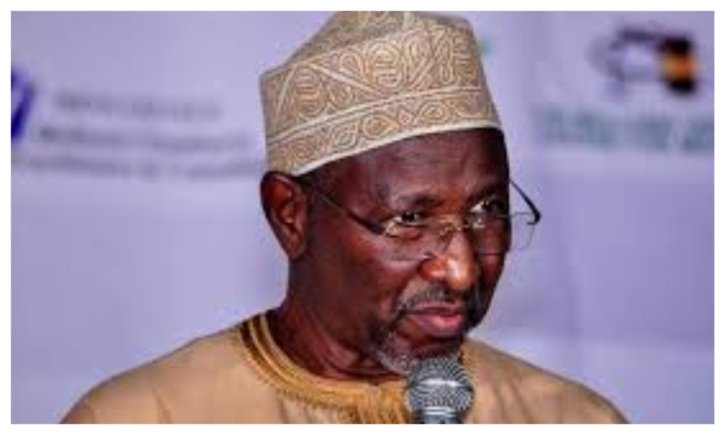
Former Nigerian lawmaker Usman Bugaje has stated that a recent court judgment by Justice M.G. Umar has placed clear limits on the powers of the Independent National Electoral Commission (INEC), accusing the electoral body of overstepping its constitutional mandate. Speaking on Thursday during an appearance on Channels Television’s Politics Today programme, Bugaje described the ruling as a declaratory judgment designed to clarify the boundaries of INEC’s authority in managing Nigeria’s electoral process. He emphasized that Section 29 of the Electoral Act explicitly defines INEC’s responsibilities and ensures political parties have sufficient time to prepare for elections without undue interference.

Bugaje argued that the judgment serves as a legal caution to INEC against meddling in the internal affairs of political parties beyond what is permitted by law. He pointed out that the commission has increasingly acted in ways that suggest it is transitioning from a neutral regulator to an active participant in the political landscape. This shift, according to Bugaje, has particularly affected opposition parties, which he claims have faced disproportionate challenges due to INEC’s actions.

The former lawmaker highlighted that the court’s decision also revises the timeline previously set by INEC. He noted that the 120-day period initially announced by the commission will now extend to September, giving political parties adequate time to conduct their activities in accordance with the law. This adjustment, he explained, is essential to ensure fairness and compliance with electoral regulations.

Bugaje stated, “The judgment by Justice Umar is a declaratory judgment basically explaining to INEC that it is going beyond the powers that it has been given.” He added that Section 29 of the Electoral Act clearly demarcates INEC’s role in regulating elections and protects the autonomy of political parties during their preparatory stages. “So what the judgment has done is basically to set limits for INEC because INEC has been overreaching and overstepping the bounds that the electoral law has given it. They’ve been interfering in ways that we have not seen before.”

He further criticized INEC’s earlier actions as being designed to “muscle the opposition,” arguing that such moves go beyond regulatory duties and cross into stakeholder territory. “When you appeal for a declaratory judgment, you’re basically trying to step beyond the bounds of a regulator into a stakeholder,” Bugaje said. “What the judgment basically did was to say no, this 120 days that INEC gave will go up to September to allow the parties to do their work properly so that they can work within the law.”

This court ruling is expected to influence how INEC operates in the lead-up to future elections, reinforcing the need for adherence to legal frameworks and ensuring a level playing field for all political actors. The decision may also prompt further legal and political discussions on the balance of power between electoral bodies and political parties in Nigeria.