Osuntokun: Buhari a Hero of the North but Failed in Governance

Osuntokun: Buhari a Hero of the North but Failed in Governance

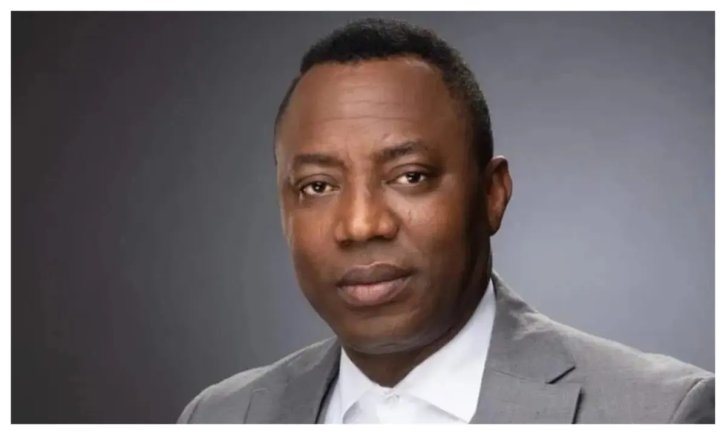
Akin Osuntokun, former Political Adviser to ex-President Olusegun Obasanjo, has stated that the late President Muhammadu Buhari, despite being a hero of the North, did not govern effectively in improving the living standards of Nigerians. Speaking on Arise Television’s Morning Show, Osuntokun assessed Buhari’s legacy one year after his death, highlighting shortcomings in his administration’s handling of national security and governance. He emphasized that the crisis between Hausa-Fulani militias and farmers, as well as the herder-farmer conflict, worsened significantly during Buhari’s presidency.

Osuntokun pointed out that Buhari’s approach to governance was heavily influenced by regional and ethnic considerations. He noted that the former president’s appointments were predominantly Northern, which contributed to perceptions of imbalance and exclusion. According to Osuntokun, Buhari was not apologetic about this, openly embracing his Northern identity and leadership style. This, he argued, undermined national unity and exacerbated tensions across ethnic lines.

During the interview, Osuntokun recalled a specific incident when Buhari led a Fulani-Muslim delegation to Ibadan to address the conflict in the Oke-Ogun area between Fulani herdsmen and the Yoruba host community. He visited then-Governor Lam Adesina, stating he was acting on behalf of the Fulani people. Osuntokun criticized this move, suggesting it signaled a lack of impartiality and reinforced ethnic divisions rather than promoting reconciliation.

He further stressed that while Buhari was celebrated for his military heroism and anti-corruption stance, his presidency failed to deliver tangible improvements in the lives of ordinary Nigerians. The economic challenges, insecurity, and rising violence during his tenure, Osuntokun said, were clear indicators of poor governance. He noted that Buhari’s rhetoric, such as urging people to “learn to be with them” as brothers, did not translate into effective policies or peace-building efforts.

The former adviser’s comments come at a time when Nigerians are reflecting on Buhari’s eight-year tenure, which ended in 2023. His legacy remains a subject of debate, with some praising his anti-corruption campaigns and others criticizing his handling of security and economic policies. Osuntokun’s assessment adds a critical perspective, especially from a political strategist who worked closely with Nigeria’s leadership during a transformative era.

As Nigeria continues to grapple with security and governance challenges, Osuntokun’s remarks serve as a reminder that leadership must balance regional identity with national cohesion. The lessons from Buhari’s presidency, he implies, should inform future leaders as they strive to build a more inclusive and peaceful nation.