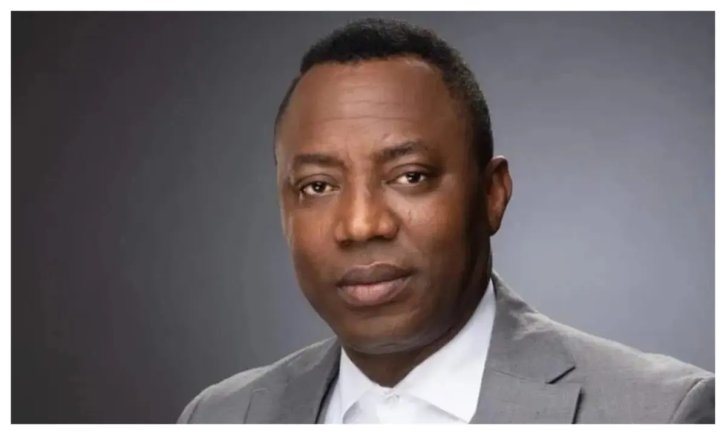
Omoyele Sowore, presidential candidate of the African Action Congress (AAC) for the 2027 general elections, has announced a sweeping education reform plan that includes the elimination of WAEC and NECO examination fees, pledging free education from nursery school to university level if elected. Speaking on Monday during the unveiling of his administration’s education blueprint, Sowore emphasized that access to education should not be dictated by a family’s financial status. He argued that every Nigerian child deserves the right to learn without economic barriers, framing education as a fundamental human right, not a privilege reserved for the wealthy.
Sowore’s announcement came as part of a broader vision to transform Nigeria’s education system through what he described as a “revolutionary” policy. He stated that under a #Sowore2027 administration, no child would be required to pay for WAEC, NECO, or any other public examination. This move, he said, is designed to remove financial obstacles that currently prevent many students from completing their education. The policy also includes plans for modern classrooms, virtual learning platforms, well-compensated teachers, student grants, and equal opportunities across all regions of the country.
He stressed that the education policy is not a political slogan but a concrete commitment to build a more equitable society. “This is not a promise of politics. It is a revolutionary commitment to build a nation where no child’s future is determined by poverty,” Sowore declared. He urged Nigerians to read, share, and debate the plan, calling on them to join the movement to turn the vision into reality. The announcement has sparked discussions across social media and political circles, with supporters praising the boldness of the proposal and critics questioning its feasibility.
The current cost of WAEC and NECO exams remains a significant burden for many Nigerian families, especially in rural and low-income communities. With examination fees often amounting to several thousand naira per subject, many students are forced to drop out or delay their education. Sowore’s pledge to scrap these fees addresses a long-standing challenge in Nigeria’s education sector, where access is often limited by economic constraints. His plan also aligns with broader calls for educational reform and greater investment in human capital.
By promising free education from early childhood through university, Sowore is positioning himself as a champion of youth empowerment and national development. The policy, if implemented, could have far-reaching implications for Nigeria’s future workforce, innovation, and economic growth. As the 2027 elections approach, this education reform proposal may become a key issue in the political discourse, influencing voter decisions and shaping the direction of national policy.

Leave a Comment