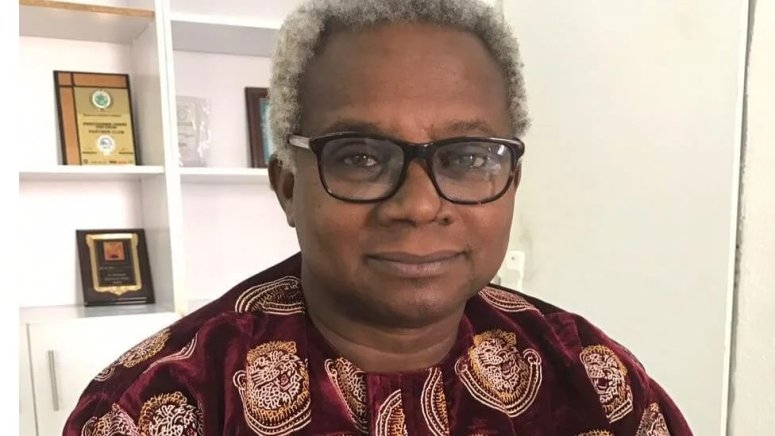
Osita Okechukwu, a founding member of the All Progressives Congress (APC), has stated that Nigerians are no longer preoccupied with the controversy surrounding President Bola Tinubu’s Muslim-Muslim presidential ticket, emphasizing that economic hardship and the rising cost of living have now become the nation’s top concerns. Speaking on Trust TV’s SundayPolitics programme, Okechukwu highlighted that public discourse has shifted from religious composition of the government to practical issues affecting daily life, particularly food security and affordability. He noted that Nigerians are increasingly focused on what he called “stomach infrastructure” — the basic necessities needed to survive, such as affordable food, fuel, and housing.
Okechukwu pointed out that President Tinubu’s policy decisions over the past three years have shown that the administration is not driven by religious motives. “Tinubu has shown in the last three years that he is not making policies based on the Muslim-Muslim ticket or because he wants to favour Muslims,” he said. According to him, the president’s actions have demonstrated a commitment to national interest over religious or ethnic considerations. This, he argued, reflects a pragmatic approach to governance that prioritizes economic reforms and stability.
The APC elder also urged President Tinubu to delegate more responsibilities to Vice President Kashim Shettima, especially in critical areas like economic management and national security. He suggested that Shettima’s experience and leadership could be instrumental in addressing the country’s growing economic challenges. Okechukwu cited a recent report by the International Monetary Fund (IMF) that warned rising prices of essential goods could deepen poverty and food insecurity in Nigeria, even as macroeconomic stability improves. He stressed that effective leadership in these areas is crucial to reversing the current economic downturn.
Okechukwu’s comments come at a time when inflation remains high and many Nigerians struggle to afford basic commodities. His remarks reflect a broader sentiment among citizens who are demanding tangible improvements in their living conditions. The focus on “stomach infrastructure” underscores the growing public expectation that government policies must directly address the immediate needs of the people. As Nigeria continues to navigate economic reforms, the emphasis on practical governance and inclusive leadership will likely remain central to public discourse.
The call for greater involvement of Vice President Shettima in economic and security matters signals a desire for more balanced leadership within the executive. As the administration moves forward, how it responds to these demands will be closely watched by both the public and political observers. The future of Nigeria’s economic recovery may depend on how effectively the government addresses the concerns of everyday citizens.

Leave a Comment