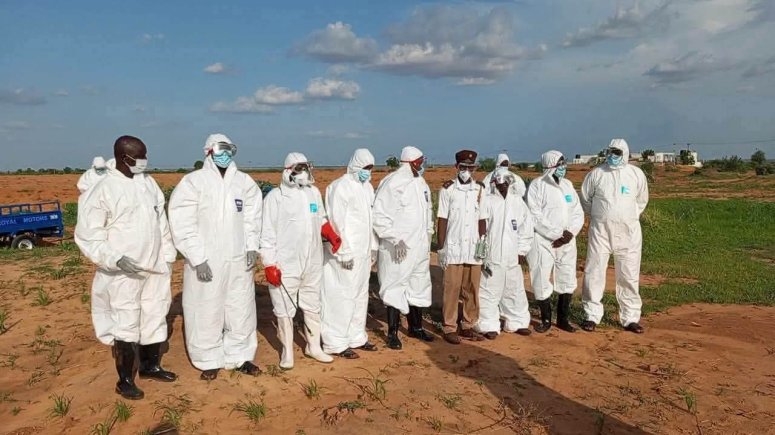
Five residents of Malam Matari community, located on the outskirts of Damaturu in Yobe State, are receiving medical treatment after being bitten by a dog confirmed to have rabies, sparking renewed concerns over public health and animal disease control in the region. The incident, which also affected livestock, prompted a swift response from the Yobe State Pilot Livestock Development Programme, which deployed its Rapid Response Team to contain the outbreak and prevent further spread of the deadly virus. Authorities have since confirmed that the affected individuals are responding well to treatment and have begun the recommended five-dose post-exposure prophylaxis (PEP) vaccination to prevent the onset of rabies.
The Programme Manager, Dr Bulama Maina Yaro, who supervised the emergency operation, emphasized that the situation is now under control. He stated that the victims are receiving appropriate medical care, and the infected dog has been safely disposed of to eliminate any risk of further transmission. In addition, two goats that were attacked by the rabid dog were also humanely euthanized and buried in accordance with veterinary public health guidelines to prevent contamination and protect the community.
Dr Yaro highlighted the importance of rapid intervention, noting that the timely response helped prevent the outbreak from escalating into a larger public health crisis. “The situation is under control. The affected persons are receiving appropriate medical care, while the infected animals have been safely buried to prevent further spread of the virus,” he said. The containment measures were implemented swiftly to ensure the safety of both humans and animals in the community.
As part of the broader intervention, veterinary officials conducted a public awareness campaign in Malam Matari to educate residents on the dangers of rabies. The campaign, led by Veterinary Officer Dr Yau Buba Wakil, focused on identifying symptoms of rabies in animals, the correct steps to take after a dog bite, and the urgency of seeking immediate medical attention. The sensitisation efforts aimed to empower the community with knowledge to prevent future incidents and promote responsible animal handling.
Rabies remains a significant public health challenge in Nigeria, with many cases going unreported due to lack of awareness and access to timely medical care. The recent incident in Malam Matari underscores the need for continued investment in veterinary services, public education, and rapid response systems. With effective containment measures already in place, health authorities are urging residents to remain vigilant and report any suspicious animal behaviour to prevent future outbreaks. This incident serves as a reminder of the critical role that community awareness and coordinated health responses play in protecting public health across Nigeria.





Leave a Comment