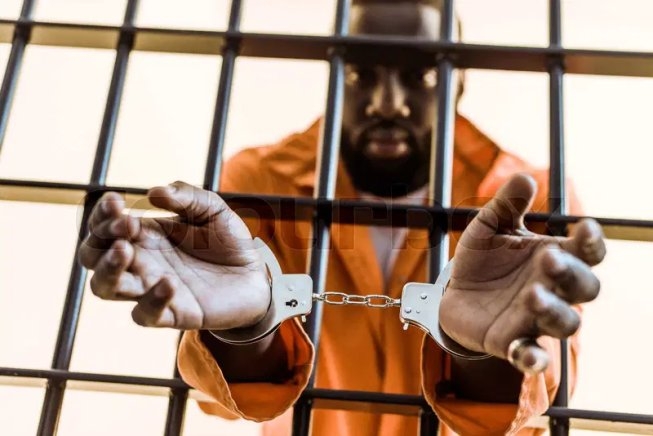
A Nigerian man, Samuel Fapohunda, has pleaded guilty in a U.S. federal court to illegally possessing a loaded firearm and ammunition, a crime that violates federal law due to his prior criminal conviction. The 27-year-old, who resides in Maryland, admitted to the offense before District Judge Trevor McFadden in a court appearance that took place on Thursday. He is now scheduled to be sentenced on December 3, 2026, after admitting to one count of unlawful possession of a firearm and ammunition by a felon.
Fapohunda was arrested on June 25, 2026, following a routine traffic stop in southeast Washington, D.C. Officers noticed his vehicle had illegally tinted windows and approached to investigate. When he rolled down the window, law enforcement detected the smell of marijuana. After ordering the passengers out, officers observed a burnt marijuana cigarette in his hand, prompting a pat-down search.
During the search, officers felt a firearm tucked in his waistband. Before they could recover it, Fapohunda reportedly shouted, “it’s under my shorts,” repeating the phrase three times. Officers then seized a loaded Glock 19 9mm handgun with a 17-round magazine. A subsequent search of the vehicle revealed additional contraband, including a nearly full bottle of codeine-based cough syrup, drug paraphernalia such as a scale and baggies with residue, and $985 in cash.
Federal prosecutors confirmed that criminal history checks revealed Fapohunda had previously been convicted of robbery in Arlington County, Virginia. He served five years in prison, with four years suspended. Under U.S. federal law, individuals with felony convictions are prohibited from possessing firearms or ammunition, making his actions a serious violation.
The case highlights the enforcement of federal gun laws, particularly against individuals with prior criminal records. The Department of Justice emphasized the importance of holding offenders accountable, especially when dangerous weapons are involved. Fapohunda’s guilty plea marks a significant step in the legal process, with sentencing set for early 2026.
This incident underscores ongoing efforts by U.S. law enforcement to combat gun violence and illegal firearm possession, particularly in urban areas. It also serves as a reminder of the legal consequences for individuals with criminal histories who violate federal firearm regulations. The outcome of Fapohunda’s case may influence future prosecutions involving similar offenses.





Leave a Comment