![Abia Guber Candidate Fumes Over N150 Million Billboard Cost: "Where Will I Get It?" [VIDEO]](https://www.nigerianupdates.com/wp-content/uploads/2026/07/Doris-Ogala.jpeg)
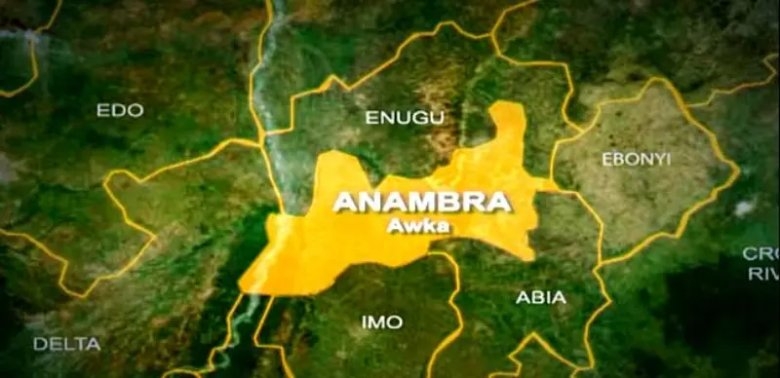
The Abia State governorship candidate of the African Action Congress (AAC), Doris Ogala, has strongly criticized the state government’s decision to impose a N150 million fee on all governorship candidates for the placement of campaign billboards ahead of the 2027 elections. In a viral video shared on social media platform X, Ogala expressed outrage over what she described as an unreasonable and burdensome charge, especially given the state’s current economic challenges. She emphasized that she does not have a political godfather with access to stolen government funds to pay such a massive sum, highlighting the financial strain on genuine candidates.
Ogala’s comments come after the Abia State Structure for Signage and Advertising Agency (ABSSAA) announced that all 2027 presidential and governorship candidates must pay N200 million and N150 million respectively to display campaign materials on state-owned advertising spaces. The agency’s directive has sparked widespread backlash from political aspirants and civil society groups, who argue that the fees are excessive and discriminatory. Ogala, in her statement, questioned the ethics of imposing such a high cost when basic public services like healthcare and salaries for workers remain unmet.
“People are dying in the hospital. Workers are dying. Their salaries have not been paid, and you are imposing 150 million naira for a candidate. Where will I get the money from?” Ogala asked in the video. She further challenged the government’s authority, declaring, “Do I have a godfather who has stolen government funds? I should pay 150 million naira. I dare anybody to touch my billboard. All of us will campaign without a billboard in this state.” Her remarks reflect growing frustration among candidates who feel the fees are designed to exclude grassroots and independent aspirants.
The controversy has drawn attention to broader concerns about transparency and fairness in Nigeria’s electoral processes. Critics argue that such high fees give an unfair advantage to candidates backed by wealthy sponsors or political elites, while sidelining those without financial backing. The AAC candidate’s defiance signals a potential shift in campaign strategies, as candidates may opt to use alternative, low-cost methods to reach voters. Her stance also underscores the need for regulatory bodies to balance revenue generation with democratic access.
As the 2027 elections draw nearer, the debate over campaign regulations is likely to intensify. The Abia State government has not yet responded publicly to Ogala’s criticism, but the issue may prompt further scrutiny from the Independent National Electoral Commission (INEC) and other oversight bodies. The outcome of this dispute could influence how future elections are managed across Nigeria, especially in states where similar fees are being considered.
Leave a Comment