2027 Niger Political Shift: Defections and Reconciliation Reshape National Landscape

2027 Niger Political Shift: Defections and Reconciliation Reshape National Landscape

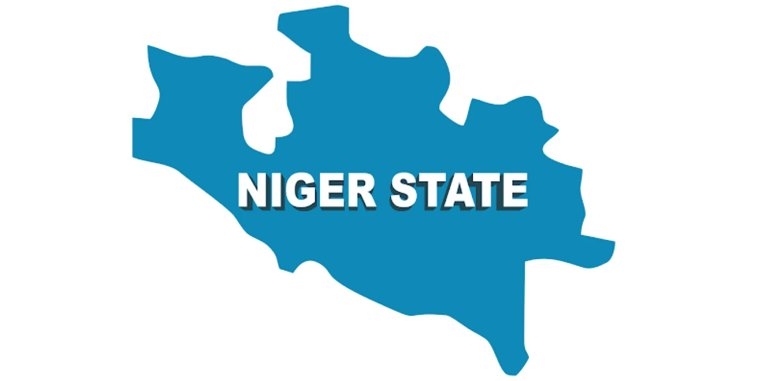
With about six months to the 2027 general elections, Niger State’s political landscape is shifting rapidly as parties reposition, alliances are tested, and new coalitions emerge. The fallout from the All Progressives Congress (APC) primaries held in May 2026 has triggered defections, reconciliation efforts, and intensified political consultations, setting the stage for what could be one of the most competitive governorship races in recent memory. While the ruling APC seeks to maintain its dominance and heal internal divisions, opposition parties like the African Democratic Congress (ADC) and Peoples Democratic Party (PDP) are capitalizing on perceived governance failures and political discontent to position themselves as viable alternatives. Meanwhile, the Nigeria Democratic Congress (NDC) grapples with its own leadership crisis, raising questions about its readiness for the upcoming polls.

The APC primaries, which were hailed as successful by party leaders, left several aspirants dissatisfied, particularly over the emergence of candidates in certain constituencies. This discontent led to a wave of defections, most notably on July 16, 2026, when the Niger Rescue Movement Political Family, led by former Chief of Staff to ex-Governor Abubakar Sani Bello, Maikil Al-Amin Bmitosahi, officially switched allegiance to the ADC. The group, which includes former commissioners, local government chairmen, and councillors, cited dissatisfaction with the Bago administration and pledged to work for political change. The defection sparked debate across the state, with opposition parties viewing it as evidence of growing cracks within the APC, while the ruling party dismissed the move as insignificant.

In response, Governor Mohammed Umaru Bago convened a special meeting on July 25, 2026, with APC candidates, unsuccessful aspirants, and party stakeholders to address concerns and reinforce unity. The meeting, attended by Deputy Governor Yakubu Garba, APC North Central Zonal Vice Chairman Mu’azu Bawa Rijau, and State Chairman Aminu Musa Bobi, was aimed at strengthening party cohesion and ensuring victory in the 2027 elections. Bago urged members to remain loyal to the APC and its Renewed Hope Agenda, emphasizing that collective interest must outweigh personal ambition. He also criticized those who defected after the primaries, suggesting their motives were driven by personal interests rather than the state’s welfare.

Adding to the political tension, Governor Bago revealed during a sympathy visit to Kagara that he possessed records from the previous administration but chose not to investigate former Governor Abubakar Sani Bello, prioritizing peace over political vendetta. He also warned against fake news, directing security agencies to investigate individuals spreading misinformation. The state government dismissed claims of an internal rebellion or loss of support from elder statesmen like former military presidents Ibrahim Babangida and Abdulsalami Abubakar, asserting that both leaders continue to support Bago’s administration.

On the opposition side, ADC governorship candidate Dr. Mohammed Kpautagi Mohammed accused the Bago administration of poor governance, lack of transparency, and disregard for due process, urging voters to reject the APC in 2027. He promised to prioritize security, healthcare, education, agriculture, infrastructure, and fiscal responsibility. ADC chieftain Dr. Abdullahi Ishaq noted that while the recent defections were a boost, the party had been quietly building its grassroots structures for months. He stressed that insecurity and economic hardship remain central issues that must be addressed.

The PDP, meanwhile, insists it remains a strong contender. State Secretary Hamidu A. A. Kadi Kuta dismissed suggestions that the race would be a two-horse contest between the APC and ADC, asserting that the PDP has the organizational capacity to challenge for power. He emphasized the party’s focus on uploading candidates to INEC’s portal and strengthening its structures across the state.

In contrast, the NDC is battling internal chaos. House of Representatives aspirant Mohammed Abubakar Katcha has called for the resignation of state chairman Ahmed Inuwa, accusing him of aligning the party with APC interests. Two individuals, Alhaji Yahaya Muhammad Guregi and Idris Usman Makanta (Shinkafan Nupe), are both claiming to be the party’s governorship candidate, with posters of both displayed in various parts of the state. A party source told DAILY POST that the crisis has unsettled members and may be orchestrated by external forces to weaken the party.

Beyond party politics, governance issues like security, infrastructure, public spending, education, healthcare, and youth employment are expected to dominate voter concerns. Political analyst Mark Martins cautioned that defections alone won’t determine election outcomes, stressing that grassroots mobilization and party cohesion are key. For Mahmoud Sani, a commercial bus driver in Minna, individual performance will be the deciding factor: “It’s not about party, but who can deliver.”

As campaigns prepare to officially commence, Niger State’s political dynamics remain fluid. The APC is confident of retaining power, the ADC sees opportunity in public dissatisfaction, the PDP asserts its relevance, and the NDC must first resolve its internal disputes. Ultimately, the electorate will decide whether Niger State continues under APC leadership or embraces a new political direction.