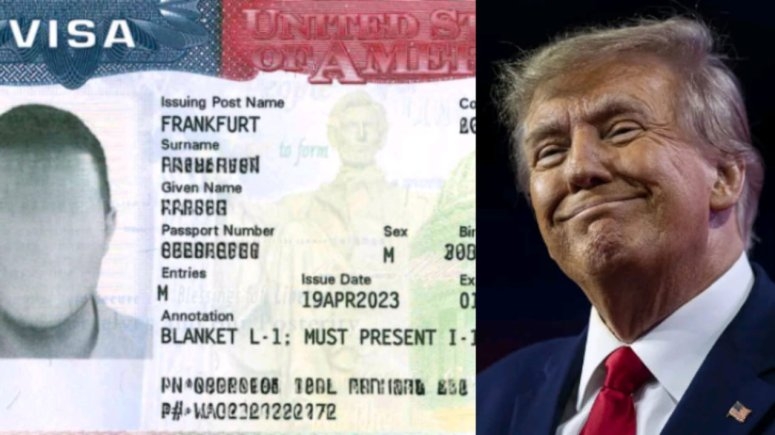
The U.S. government has proposed a significant fee increase for Nigerian and other international students seeking Optional Practical Training (OPT) under the F-1 visa program, with initial applications set at $70,000 and subsequent applications at $30,000. The U.S. Department of Homeland Security (DHS) announced the proposed rule on Wednesday, stating it aims to address fraud, abuse, and the influx of low-cost labor into the American job market. The move is expected to impact thousands of Nigerian students currently enrolled in U.S. universities and planning to gain work experience after graduation.
Under current regulations, F-1 students are permitted to participate in OPT if their employment is directly related to their field of study. They must receive approval from their designated school official (DSO) and apply through U.S. Citizenship and Immigration Services (USCIS). However, the DHS claims that recent investigations by the Student and Exchange Visitor Program (SEVP) have uncovered widespread misuse, including “pay-to-stay” schemes and employment at questionable worksites. These practices, according to the agency, undermine the integrity of the immigration system and unfairly disadvantage American workers.
The proposed fees are designed to encourage greater accountability among schools, employers, and students. By making OPT participation significantly more expensive, the DHS hopes to deter fraudulent activities and ensure that only legitimate, educationally relevant work opportunities are pursued. The department emphasized that the rule would also help protect U.S. workers by reducing competition from foreign labor that may be exploited or underpaid.
Public comments on the proposed rule will be accepted from October 8 through November 9, with an additional 60-day comment period for the Paperwork Reduction Act section. This allows stakeholders, including educational institutions, student advocacy groups, and legal experts, to voice concerns or suggestions before the rule is finalized. The DHS stated that feedback during this period will play a crucial role in shaping the final policy.
Nigerian students and families have expressed concern over the potential financial burden, as many rely on OPT to gain valuable work experience and support their education. The high cost could limit access to these opportunities, especially for students from middle- and lower-income backgrounds. Critics argue that while combating fraud is important, the proposed fees may disproportionately affect international students who are not involved in misconduct.
As the U.S. continues to refine its immigration policies, the outcome of this proposal could have lasting effects on global student mobility and higher education partnerships. For Nigerian students aspiring to study and work in the United States, the future of OPT remains uncertain, pending further review and public input.



Leave a Comment