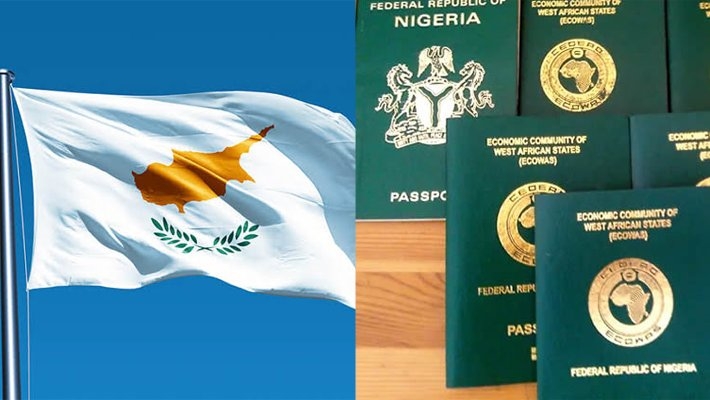
Six Nigerian citizens have been declared persona non grata by Cypriot authorities over concerns that their presence may threaten public security, public order, and public health. The decision, officially published in the Cyprus government gazette on Tuesday, follows a recommendation from the Police General Directorate after a detailed security assessment. The individuals affected are Omoyemwen Queensley Erhunmwunsee, 27; Osemwenoyemwen Victoria Aduwa, 22; Success Adesuwa Ekhosuehi, 24; Faith Osaherumwen Agontaen, 20; Etinosa Faith Agho, 21; and Blessing Okoro, 20. Their names were released alongside the official notice, though the government has not disclosed specific allegations against each person.
The declaration was made under provisions of the Foreigners and Immigration Law, Chapter 105, which empowers the Council of Ministers to exclude individuals deemed a risk to national safety or public health. This includes those with contagious diseases, prior deportation records, or those considered threats to public order. While the exact reasons for the ban remain undisclosed, the move underscores Cyprus’s commitment to maintaining strict immigration controls and safeguarding its society.
This is not the first time Nigerian nationals have faced legal consequences in Cyprus. In May, student Obasi Chimezirm Princewill was sentenced to 14 years in prison for sexually assaulting a victim at her dormitory while recording the incident. Another case involved two Nigerian men, Jesutimileyin Bolarinwa Adelasa and Excellent Chizorom, who were arraigned in court after police discovered drugs, bullet casings, and a hand grenade in their residence. These incidents have contributed to heightened scrutiny of Nigerian expatriates in the country.
Cyprus has seen an increasing number of Nigerians seeking opportunities abroad, particularly in education and employment. However, isolated criminal activities involving some individuals have led to greater monitoring and enforcement actions by local authorities. The latest ban reflects a broader pattern of targeted measures aimed at preserving public safety without generalizing against the entire Nigerian community.
As Nigeria continues to send more students and professionals overseas, such incidents highlight the need for better pre-departure orientation and adherence to host country laws. The Cypriot government’s action serves as a warning to all foreign nationals about the importance of respecting local regulations and societal norms. Moving forward, diplomatic channels between Nigeria and Cyprus may need to address these issues to ensure smoother relations and mutual understanding.




Leave a Comment