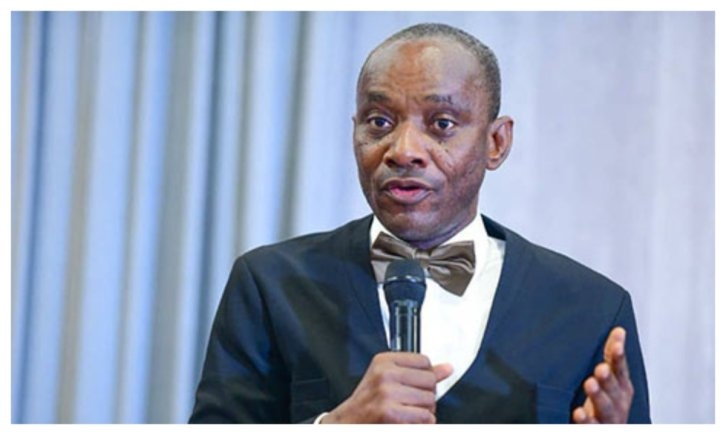
Sam Amadi, Director of the Abuja School of Social Thought and Politics, has raised serious concerns about President Bola Tinubu’s political approach ahead of the 2027 presidential election, describing it as “extreme and desperate.” In a public post on X, Amadi warned that Tinubu’s current strategy could backfire, potentially leading to a loss and triggering an extreme response that may threaten Nigeria’s democratic foundations. He emphasized that the desperation exhibited by the administration might not only result in electoral defeat but could also destabilize the country’s democratic institutions.
Amadi’s remarks come at a time when political tensions are rising across Nigeria, with increasing scrutiny on the government’s economic policies and governance style. He pointed out that the current approach appears reckless and may alienate key voter blocs, especially as the 2027 elections draw nearer. His statement reflects growing unease among political analysts and civil society actors about the trajectory of Nigeria’s democracy under the present administration.
In his post, Amadi wrote: “@officialABAT strategy to avoid electoral loss in 2027 seems extreme and desperate. I believe he will lose out. But it could lead to extreme response.” He further cautioned that the consequences of such desperation could be catastrophic, stating, “The tragedy is that the current desperation and recklessness may destroy the entire edifice of Nigerian democracy even in their failure.” These words underscore the deep concern among experts about the potential for political unrest if the government’s actions are perceived as undemocratic or authoritarian.
Amadi concluded his message with a plea for national unity and patriotism, saying, “I hope there are enough patriots to step in and save Nigeria when that happens. May Nigeria survive.” His words resonate with many Nigerians who are watching closely how the government manages the lead-up to the next election. The 2027 presidential election is expected to be one of the most consequential in Nigeria’s history, given the country’s economic challenges and rising youth unemployment.
As political strategists and citizens alike assess the government’s performance, Amadi’s warning serves as a stark reminder of the fragility of Nigeria’s democratic gains. The coming years will test the resilience of democratic institutions, and the choices made today could shape the nation’s future for decades. The hope remains that leaders will prioritize national unity over political survival, ensuring a peaceful and credible electoral process in 2027.



Leave a Comment