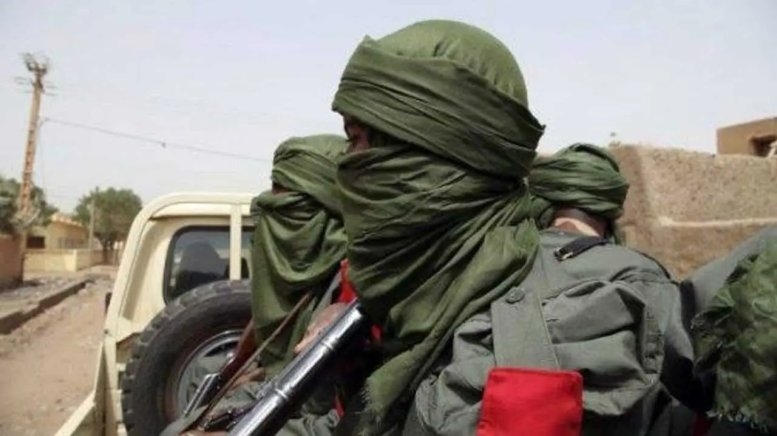
Suspected terrorists have killed Sa’adu Amadu, the local chairman of the Butchers Association of Nigeria in Ruwan Godiya, Katsina State, in a violent attack that occurred on April 21, 2024. The incident took place in the Faskari Local Government Area, where security forces responded to reports of terrorist activity around 1:25 pm. Upon arrival, troops from Sector 2 under Operation FANSAN YAMMA discovered Amadu had been shot dead at his residence in the village. The attack has raised alarm over rising insecurity in the region and the growing threat posed by armed groups.
Security sources confirmed that the assailants fled the scene immediately after the killing, leaving behind no immediate clues. The suspected mastermind behind the attack is identified as Dogo Musa, a known terrorist kingpin operating in the area. According to a source close to the investigation, troops found the victim’s body in his compound, and there was no direct confrontation with the attackers. The security personnel conducted a swift assessment and initiated a pursuit along the escape route, but no contact was made with the suspects.
Following the incident, security authorities have stepped up surveillance and patrols across Faskari and surrounding communities. The increased military presence aims to deter further attacks and locate those responsible for the killing. The attack has also sparked concern among local residents, who fear that such violence may target other community leaders or civilians. The Butchers Association of Nigeria, which plays a key role in regulating meat trade and ensuring food safety, now faces a leadership vacuum in the Ruwan Godiya branch.
The killing of Sa’adu Amadu underscores the persistent threat of terrorism in northern Nigeria, particularly in Katsina State, which has seen a surge in violent incidents in recent months. While the military continues its search for Dogo Musa and his associates, local communities are calling for stronger protection and faster response times from security agencies. The incident highlights the vulnerability of civilian leaders and the need for coordinated efforts to restore peace and stability in the region.
As investigations continue, security forces remain vigilant, and residents are urged to report any suspicious activities. The government’s ability to bring the perpetrators to justice will be a critical test of its commitment to combating terrorism and protecting innocent lives. This attack serves as a grim reminder of the ongoing security challenges facing Nigeria’s northern communities.




Leave a Comment