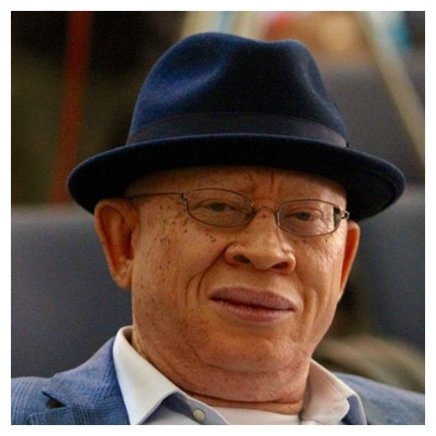
Vote trading has become a deeply entrenched and shameful practice in Nigeria’s democratic process, according to Jake Epelle, founder of Taf Africa. In a candid interview on Arise Television late Friday, Epelle expressed deep concern over the growing influence of money in determining who leads the country at all levels. He emphasized that electoral outcomes are increasingly being shaped not by public merit or policy platforms, but by financial transactions between voters and candidates.
Epelle described the situation as “very shameful,” pointing out that what should be a sacred civic duty—casting a vote for a leader based on vision and competence—has been reduced to a transactional exchange. He noted that many voters now expect monetary rewards before they cast their ballots, turning elections into open markets where votes are bought and sold. This erosion of democratic integrity, he warned, undermines public trust in institutions and weakens the foundation of governance.
The Taf Africa founder highlighted that this trend is not limited to local or state elections but extends to national contests as well. He pointed to recent elections across various political zones in Nigeria, where allegations of vote buying have surfaced repeatedly. These practices, he argued, distort the will of the people and give undue advantage to wealthy candidates or those backed by powerful interest groups.
Epelle also stressed that vote trading perpetuates cycles of corruption and poor leadership. When leaders are elected through financial coercion rather than genuine support, they often feel indebted to those who funded their campaigns, leading to decisions that benefit patrons over the public good. This, he said, stifles accountability and discourages ethical governance.
Despite efforts by election management bodies like INEC to combat such malpractices, Epelle believes more needs to be done. He called for stronger enforcement of existing laws, increased transparency in campaign financing, and public education on the importance of voting ethically. He urged civil society organizations, media, and citizens to remain vigilant and hold leaders accountable.
His remarks come at a time when Nigeria is preparing for upcoming elections, with concerns mounting over potential electoral irregularities. The issue of vote trading has already sparked debates in political circles and among watchdog groups, prompting calls for reforms to strengthen electoral integrity.
As Nigeria continues to navigate its democratic journey, the challenge of vote trading remains a critical obstacle to meaningful progress. Addressing it will require sustained effort from all stakeholders to restore faith in the electoral system and ensure that every vote truly counts.
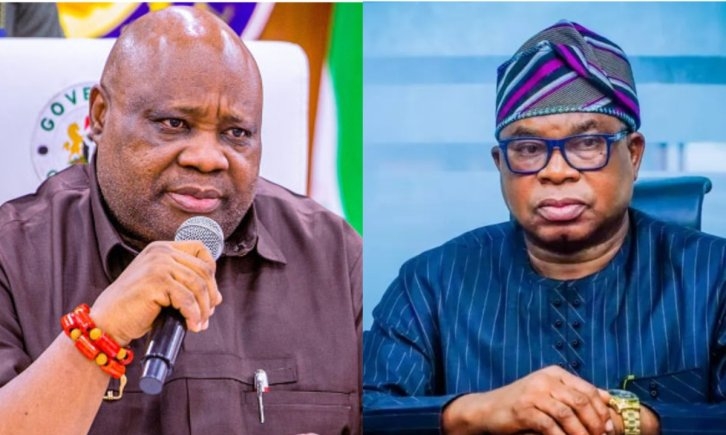
![Osun Election 2024: Voters Turn Out Early, Await INEC Officials [Video]](https://www.nigerianupdates.com/wp-content/uploads/2026/08/1000517445.jpeg)
Leave a Comment