Osun Governorship Election 2024: Live Updates, Results, and Key Developments

Osun Governorship Election 2024: Live Updates, Results, and Key Developments

The Osun State governorship election, one of the most anticipated political events in Nigeria this year, is officially underway as voters across the state head to polling units to cast their ballots. The Independent National Electoral Commission (INEC) confirmed that 2,339,233 registered voters are eligible to participate in the election, marking a significant turnout potential for the state’s democratic process. This election follows a closely watched political campaign season featuring several major parties and candidates vying for the governorship seat.

INEC has deployed over 10,000 ad-hoc staff and security personnel to ensure smooth operations at all 5,648 polling units across the 17 local government areas of Osun State. Security agencies, including the Nigerian Police Force, military, and civil defence, have been stationed at strategic locations to maintain peace and prevent electoral violence. The commission also emphasized strict adherence to its guidelines on voter accreditation, which includes the use of the Bimodal Voter Accreditation System (BVAS) to verify identities and prevent multiple voting.

Voters began arriving at polling stations early in the morning, with many expressing excitement and hope for change. Some residents noted that they had waited patiently for years to see a credible electoral process in Osun, citing past issues of irregularities and delayed results. “I came out early to vote because I want a better future for my children,” said Adeola Adebayo, a 38-year-old trader from Ile-Ife. “This election matters, and I won’t let anyone take it away from me.”

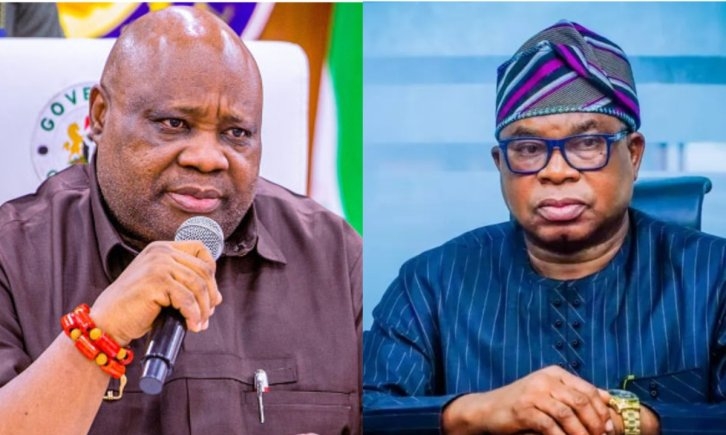
The election features candidates from major political parties, including the All Progressives Congress (APC), Peoples Democratic Party (PDP), and Labour Party (LP), among others. The APC’s Ademola Adeleke is facing off against the PDP’s Gbadebo Rhodes-Vivour, with both camps claiming strong grassroots support. Other aspirants include Olufemi Oluwasegun of the New Nigeria People’s Party (NNPP) and Kehinde Olugbenga of the Allied Peoples Movement (APM).

INEC has assured Nigerians that results will be transmitted electronically from polling units to its national data center in Abuja. This move is expected to enhance transparency and reduce the time needed to announce final results. However, concerns remain about possible internet disruptions or technical glitches that could affect transmission. Observers from local and international groups, including the African Union and the European Union, are monitoring the process to ensure fairness and compliance with electoral standards.

As the polls close later in the day, attention turns to the collation centers where results will be tallied and declared. The outcome of this election could influence the balance of power in Nigeria’s political landscape, especially ahead of the 2027 general elections. With millions watching and stakeholders invested, the Osun governorship election stands as a critical test of Nigeria’s democratic resilience.