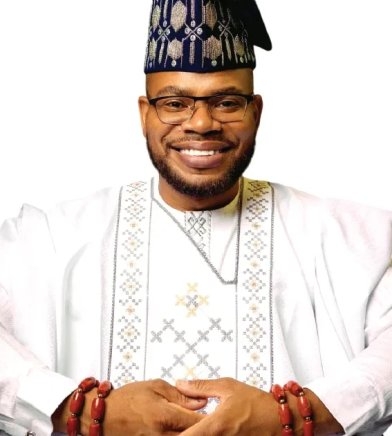
African American entrepreneur and genealogist Dr. Darien Williams has pioneered a new movement in ancestry research through his organisation, Tribal Tapestry, helping thousands of diaspora descendants reconnect with their roots in Nigeria and across Africa. Born and raised in the United States, Williams built a career in entrepreneurship, marketing, and business development before turning his focus to genealogy driven by a powerful question: who were our ancestors before they arrived in America? This quest led him to trace his own lineage to the Yoruba people of Nigeria, specifically the Senlu Royal House of Imota in Lagos State, where he received formal recognition from His Royal Majesty Oba Dr. Mudashiru Ajibade Bakare-Agoro, the Ranodu of Imota.
Williams’ journey began with curiosity but evolved into a mission of restoration. He noticed that while DNA testing could reveal ethnic origins such as Yoruba or Igbo, few services helped individuals go beyond percentages to discover actual family names, communities, and living relatives. This gap inspired Tribal Tapestry, which combines DNA analysis, historical research, oral traditions, and community verification to create meaningful ancestral connections. The organisation’s work is not just about identifying heritage—it’s about rebuilding relationships severed by the transatlantic slave trade.
Through Tribal Tapestry, Williams has helped thousands of people rediscover their African roots, including one remarkable case involving Gary Frazier, whose paternal third great-grandfather had been lost to history. DNA testing linked Frazier to the Igbo people of southeastern Nigeria, and further research uncovered preserved oral histories describing how some family members fled during 19th-century upheavals while others were taken away. Next week, Frazier will meet his Nigerian relatives for the first time—nearly 150 years after their separation—a moment Williams calls unforgettable.
The significance of this work extends beyond personal discovery. Williams introduced the concept of the “Homecoming Economy,” highlighting how sustained diaspora reconnection creates real economic impact through tourism, investment, property purchases, and cultural exchange. He argues that African nations should develop deliberate systems to welcome returnees, turning emotional homecomings into lasting relationships. In Ikorodu, Nigeria, Williams was conferred the title Base ̀ tò Ìpadàbo ̀ Sílè, meaning “Pathfinder who leads the Diaspora back to their source,” a recognition of his role in creating these pathways.
Williams emphasizes that ancestry should be grounded in evidence and responsibility. While DNA provides clues, true lineage requires genealogical rigor, community validation, and respect for historical context. His vision is clear: move beyond identifying regions to finding specific families, restoring stories, and bringing separated branches together. As more people make these discoveries, the future of ancestry work lies not just in knowing where you come from, but in building what comes next—family, identity, and belonging.



Leave a Comment