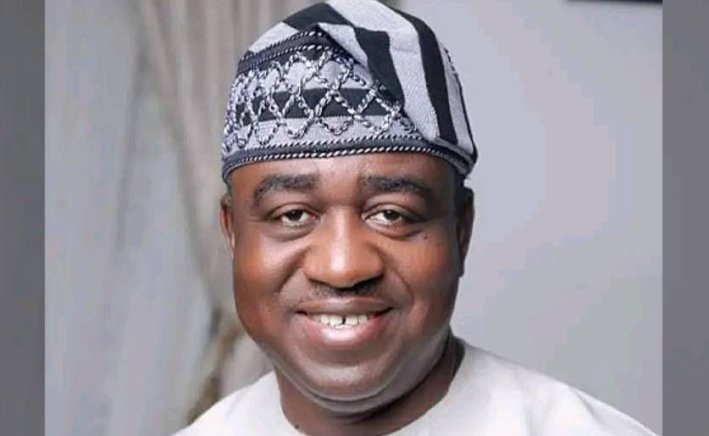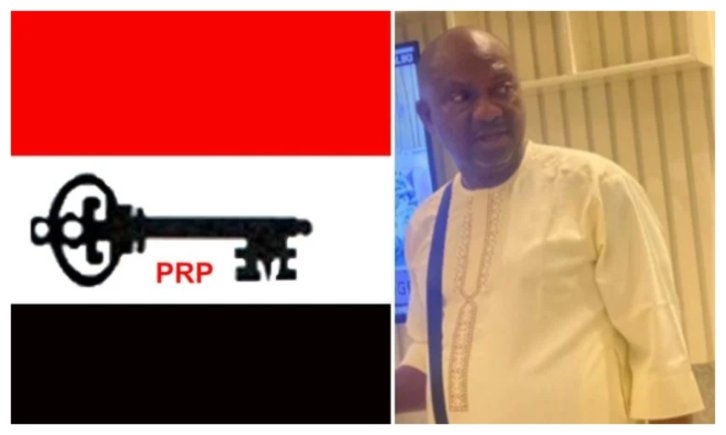
Wolimoh Olajide Epe, National Vice Chairman for the South West zone of the Peoples Redemption Party (PRP), has officially resigned from the party ahead of the 2027 general elections, citing a lack of national relevance and clear political direction. In a formal resignation letter addressed to Hakeem Baba-Ahmed, the National Chairman of the PRP, Epe announced that his decision takes immediate effect. He emphasized that the move followed extensive consultations with political associates, supporters, and stakeholders who have closely observed his involvement in the party over the years.
Epe stated that his resignation was not made impulsively, but after prolonged discussions and engagements that convinced him remaining in the PRP no longer aligned with his political aspirations or those of his supporters. He acknowledged the opportunities he received during his tenure, having served in various capacities including as a committee member, National Youth Leader, and ultimately as National Vice Chairman for the South West. Despite these roles, he expressed disappointment that the PRP has not evolved into a strong, competitive national political force capable of contesting for power at the federal level.
He noted that many of his supporters have grown increasingly concerned about the party’s inability to build momentum across Nigeria. There is a growing sentiment among members and sympathizers that the PRP lacks the seriousness and ambition required to emerge as a major political platform in the country. Epe further argued that the party has gradually moved away from active political engagement, functioning more as a forum for discussions rather than a vehicle for contesting elections or influencing governance.
In his letter, Epe urged the leadership of the PRP to reflect on these concerns and take decisive steps to reposition the party for greater national relevance and inclusiveness. He maintained that without significant reforms and renewed vision, the PRP risks becoming marginalized in the increasingly competitive Nigerian political landscape. His departure marks a significant development for the party, especially as it prepares for the upcoming 2027 elections.
The resignation highlights ongoing challenges within smaller political parties in Nigeria, which often struggle to maintain relevance amid the dominance of major parties like the APC and PDP. Epe’s exit may prompt internal reflection and possible restructuring within the PRP, as it seeks to regain credibility and expand its footprint beyond its current base. His move could also influence other party members and leaders to reassess their commitments, especially as the political season approaches. The coming months will be critical for the PRP as it navigates this leadership transition and works to redefine its role in Nigeria’s political future.


Leave a Comment