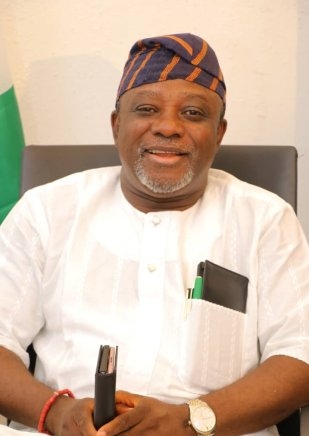
He also raised concerns about the absence of a strong culture of patriotism and nationalism among Nigerians. According to Ajiboye, successive governments have not made a conscious effort to cultivate a sense of national identity and civic responsibility. This, he believes, has weakened the collective will to address the nation’s challenges. “The problems of Nigeria should be every individual’s problem,” he stressed, calling for a shift in mindset where citizens take ownership of national development.
Ajiboye’s remarks come at a time when Nigeria is grappling with infrastructure deficits, economic instability, and security concerns. His observation that some current projects under President Tinubu’s leadership were planned decades ago underscores the long-term neglect of national planning. He urged leaders and citizens alike to work together toward sustainable development, emphasizing that progress requires more than political will—it demands public engagement and accountability.
The need for a unified national vision, he argued, is more urgent than ever. Without it, Nigeria risks continuing on a path of fragmented efforts and missed opportunities. Ajiboye’s call for collective responsibility reflects a growing recognition that national development cannot be left solely to the government. As Nigeria moves forward, the challenge will be to turn decades of unrealized plans into tangible results through coordinated action and shared commitment.
Leave a Comment