
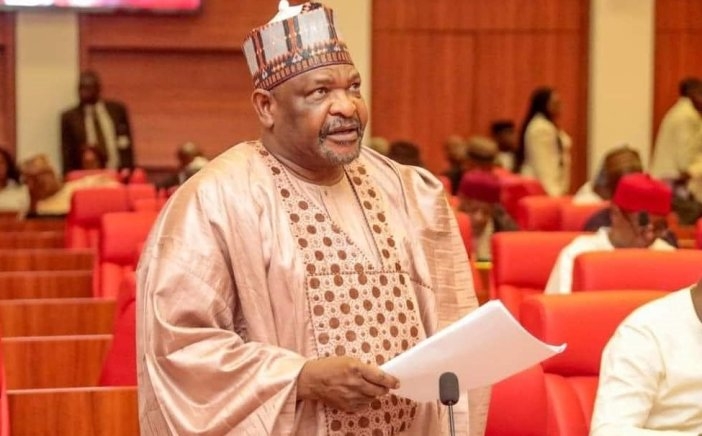
Nigerian lawmaker Joshua Chinedu Obika has officially resigned from the All Progressives Congress (APC) and defected to the Nigerian Democratic Congress (NDC), marking a significant shift in political allegiance just two months after joining the ruling party. Obika, who represents the AMAC/Bwari Federal Constituency in the Federal Capital Territory (FCT), made the move after being denied a re-nomination ticket by the APC despite defecting from the Labour Party (LP) on 11 March 2026. His decision to switch parties comes amid a wave of defections to the NDC, following the high-profile entries of former presidential candidate Peter Obi and former Kano State Governor Rabiu Kwankwaso into the new political platform.
The defection of Obika underscores growing political realignment in Nigeria, particularly as opposition parties seek to consolidate support ahead of upcoming elections. His move to the NDC is expected to bolster the party’s presence in the National Assembly, especially in the FCT, where his constituency holds strategic importance. Obika’s automatic ticket from the NDC for a second term in the House of Representatives signals the party’s confidence in his electoral appeal and political experience.
This development follows a pattern of increasing party switching among Nigerian lawmakers, especially in the wake of the NDC’s formation and the recruitment of prominent figures like Obi and Kwankwaso. DAILY POST reports that several other lawmakers have also joined the NDC in recent days, indicating a broader trend of political recalibration. The influx of new members is seen as a strategic effort by the NDC to strengthen its legislative footprint and position itself as a credible alternative to the APC and the Peoples Democratic Party (PDP).
Obika’s brief tenure in the APC was marked by internal party dynamics that ultimately led to his exclusion from the party’s candidate list. His decision to defect highlights the challenges faced by lawmakers who switch parties without securing guaranteed political backing. Despite the short duration of his membership in the APC, Obika’s move to the NDC is viewed as a calculated political strategy to enhance his chances of re-election.
As the NDC continues to attract high-profile defectors, its influence in Nigerian politics is expected to grow. The party’s ability to absorb experienced lawmakers like Obika could reshape the political landscape, particularly in key constituencies. With the next general elections approaching, the NDC’s expanding roster may signal a new era of political competition in Nigeria.
Obika’s defection and the broader trend of lawmakers joining the NDC suggest that the 2027 electoral landscape will be more dynamic and unpredictable than ever before.




Leave a Comment