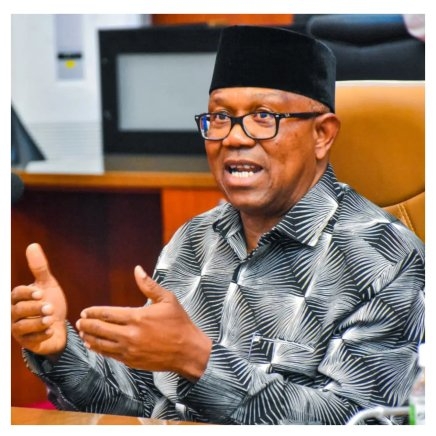
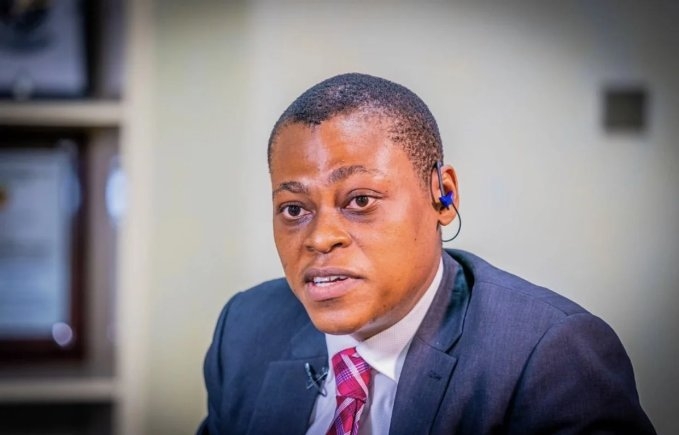
Peter Obi, presidential candidate of the Nigerian Democratic Congress (NDC), has declared that he will engage in direct negotiations with prominent agitators across Nigeria if elected president, including Sunday Igboho, Ahmad Gumi, and Biafra separatist leaders. In a recent interview on Nevon News with host Rufai Oseni, Obi emphasized his commitment to dialogue as a tool for national reconciliation and peacebuilding. He stated that his approach would focus on inclusive discussions rather than assigning blame or taking punitive measures.
Obi stressed that his leadership philosophy centers on bringing all stakeholders to the table, regardless of their political or ideological positions. “When I’m elected, I will discuss with everybody,” he said. “I’m not there to apportion blame on who is wrong or right.” He added that his goal is to foster consensus by saying, “let’s go this way,” and that his presidency would be defined by open communication and mutual understanding.
Drawing from his experience as the former governor of Anambra State, Obi highlighted his track record of engaging with diverse groups, including traditional rulers and community leaders, to resolve conflicts. “I did it as governor,” he recalled. “I brought people together and talked with them.” This hands-on approach, he believes, can be scaled up to address national challenges.
When questioned about how he would handle resistance from agitators like Ahmad Gumi and Sunday Igboho, Obi remained confident in his ability to influence change. “They will listen to me,” he asserted. “They are in the problem. How can you call someone who is sick to come to the hospital and he says he won’t come?” His analogy underscores his belief that those involved in the nation’s unrest have a vested interest in finding solutions.
Obi’s stance reflects a broader strategy of using dialogue to address the root causes of unrest, particularly in regions with long-standing grievances. His proposal to negotiate with leaders from the Yoruba nation, Islamic clerics, and Biafra agitators signals a departure from previous administrations that have often responded with military force or legal action.
By positioning himself as a unifier, Obi aims to appeal to voters seeking a peaceful and inclusive approach to governance. His emphasis on negotiation and empathy may resonate with Nigerians tired of violence and division. As the 2023 general elections approach, his policy on national dialogue could become a defining issue in the presidential race.
This commitment to inclusive governance may shape how Nigerians perceive his leadership potential, especially in a country grappling with ethnic tensions and regional unrest. Obi’s message is clear: peace begins with conversation, and he is ready to lead that conversation.
Leave a Comment