2027 Primary Election Losses Put Fubara and Loyalists at Risk of Political Oblivion

2027 Primary Election Losses Put Fubara and Loyalists at Risk of Political Oblivion

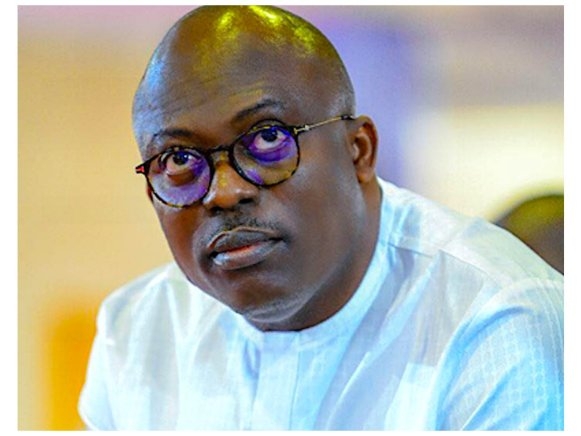
Governor Siminalayi Fubara of Rivers State has become the most prominent casualty of the 2027 governorship primary elections across Nigeria, as he withdrew from the race and saw all his political allies disqualified by the All Progressives Congress (APC). While other APC governors seeking re-election, including Uba Sani of Kaduna, Peter Mbah of Enugu, Dikko Radda of Katsina, Nasir Idris of Kebbi, Umar Namadi of Jigawa, Abba Yusuf of Kano, and Ahmed Aliyu of Sokoto, secured automatic tickets, Fubara was left out. The same fate befell Umar Bago of Niger, Hyacinth Alia of Benue, Caleb Mutfwang of Plateau, Agbu Kefas of Taraba, Sheriff Oborevwori of Delta, Umo Eno of Akwa Ibom, and Francis Nwifuru of Ebonyi State. This stark contrast has raised questions about political fairness and loyalty within the ruling party.

Fubara’s exit from the race came after he voluntarily resigned before the primary, acknowledging that he had no realistic chance of securing the APC nomination. His decision followed a series of disqualifications for his supporters, who were barred from contesting various positions within the party. This outcome was attributed to a political agreement reportedly made between Fubara and Minister of the Federal Capital Territory, Nyesom Wike, who has been a dominant force in Rivers State politics. Wike stated that there was a mutual understanding that Fubara would not pursue a second term and that the impeachment process against him should be dropped. “I’m not surprised that the governor withdrew. In the first place, he ought not to have collected the form because the agreement was reached that impeachment should be dropped while he should also not talk about second tenure,” Wike said.

Political activist Idam criticized the APC’s handling of Fubara’s case, calling it a clear case of political scapegoating. He noted that while many governors were rewarded with automatic tickets for their loyalty and support during President Bola Ahmed Tinubu’s administration, Fubara was denied the same privilege despite publicly backing the president. “What makes the situation even more humiliating is that several governors within the All Progressives Congress were rewarded with automatic tickets, while Fubara was only scapegoated and denied the same privilege,” Idam said. He added that Fubara’s political legacy appears weak, with no major projects or people-centered programs to highlight during his tenure. Idam warned that Fubara’s future may be fraught with legal challenges, as anti-graft agencies could target him after leaving office.

Despite these setbacks, former Secretary General of the Arewa Consultative Forum, Anthony Sani, believes Fubara can still make a political comeback. “Since over the long history of nations and long life of individuals, the powerful and the powerless, the rich and the poor often change places, it is quite possible for Fubara to bounce back politically,” Sani said. He emphasized that the ruling party’s power and influence often shape electoral outcomes, and governors are keen to leverage incumbency for re-election. As Nigeria’s political landscape continues to evolve, Fubara’s next moves will be closely watched, not just in Rivers State, but across the nation.