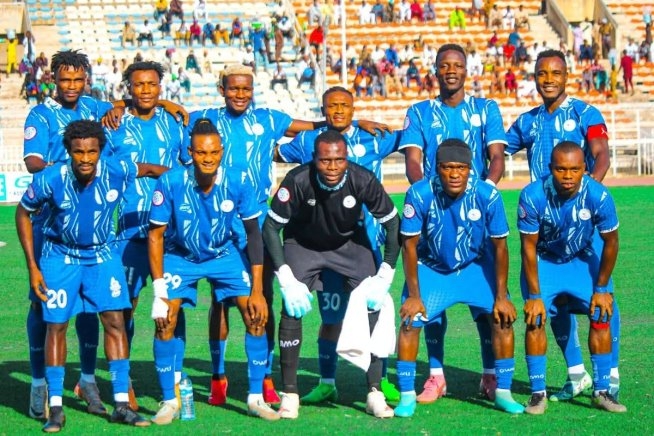
The ongoing devaluation of the Nigerian Naira has pushed clubs in the Nigeria Premier Football League (NPFL) into a relentless struggle for financial survival, prompting a growing reliance on partnerships with the gambling industry. This shift has created a mutually beneficial relationship, with betting companies gaining access to a passionate fan base while NPFL clubs secure much-needed revenue through sponsorships. Fans now frequently turn to Nigerian betting comparison platforms like Bettingtop10.ng to find the best sportsbooks, reflecting a broader trend of data-driven engagement. Despite these gains, the currency’s decline continues to strain league operations, making long-term planning difficult and increasing financial instability.
Financial pressure has fundamentally altered how NPFL clubs manage their squads, with players increasingly viewed as assets to be sold quickly when foreign offers arise. A single transfer deal denominated in dollars can cover months of operational costs, including player salaries, travel, accommodation, and staff wages. Recent data from African transfer windows shows that Nigerian clubs are among the top exporters of mid-season talent in sub-Saharan Africa, a trend that intensifies during periods of sharp naira devaluation. As a result, recruitment strategies have shifted toward short-term replacements—often younger players with resale potential—rather than long-term, impact-driven signings.
This approach has direct consequences for fans, who witness familiar faces leaving suddenly, long-standing rivalries fading, and season narratives shifting overnight. Attendance at matches fluctuates with team performance, further reducing revenue streams. Even when clubs attempt to offset losses through merchandise sales and local sponsorships, inflation erodes fans’ purchasing power, making it harder to sustain consistent income. The lack of a stable financial foundation undermines the league’s ability to invest in youth development, stadium upgrades, and administrative infrastructure, leaving clubs vulnerable to economic shocks.
The NPFL’s broadcast structure remains fragmented, lacking a unified rights package that could attract major corporate investment. While terrestrial television ensures wide reach, it offers little commercial advantage. Digital streaming platforms increase accessibility but lack sufficient subscription density to generate meaningful revenue. This contrasts sharply with more established African leagues that benefit from centralised broadcast deals. Without reliable broadcast income, clubs rely heavily on volatile local sponsorship, which often depends on brands demanding consistent visibility, production quality, and audience metrics. Shirt sponsorships and board advertising fluctuate annually, as investors view them as high-risk ventures with uncertain returns.
Government intervention has provided temporary relief, but budget allocations vary with political tenures, creating systemic instability. This reactive financial model prevents clubs from engaging in strategic planning. As a result, investment in youth academies, stadium modernisation, and administrative capacity remains minimal. Meanwhile, fans are increasingly engaging with the league through analytical tools, turning to betting markets that respond to player movements, injuries, and tactical changes. Platforms like BettingTop10 Nigeria have gained popularity by aggregating data from multiple bookmakers, helping users track market shifts and identify value bets. This trend reflects a deeper shift: fans now connect with the NPFL through data and odds rather than emotional loyalty.
As the league navigates economic turbulence, the future of Nigerian football depends on building resilient financial systems and a unified media strategy that can attract sustainable investment.





Leave a Comment