A U.S.-based Nigerian, Adepoju Salako, has been sentenced to one and a half years in prison for orchestrating a 2022 Permanent Fund Dividend (PFD) fraud scheme in Alaska, United States. The 33-year-old, who resides in Philadelphia, Pennsylvania, pleaded guilty to seven counts of wire fraud and was sentenced on Tuesday in the District of Alaska. His prison term will run concurrently with a separate six-and-a-half-year sentence imposed in Colorado for crimes related to COVID-19 relief fund fraud and international money laundering. In that case, he was also ordered to pay $2.5 million in restitution to victims.
Between January and February 2022, Salako devised a scheme to fraudulently obtain Permanent Fund Dividend payments by stealing the personal identifying information (PII) of legitimate Alaskan residents. He used this information to submit seven fake applications to the Alaska Department of Revenue (DOR), which administers the PFD programme. Salako was never a resident of Alaska and had not visited the state until he arrived for his sentencing. The DOR paid $3,284 to each eligible recipient that year, meaning Salako’s actions could have defrauded the state and seven individuals of a total of $22,988.
To carry out the fraud, Salako created new email accounts for each victim and used them to gain control of their existing “myAlaska” online accounts. These platforms are used by Alaskans to apply for and manage their PFD benefits. Once inside the accounts, he altered contact details to redirect communications to his controlled emails and changed bank information to route payments to accounts he controlled. He also used a virtual private network (VPN) to mask his location, making it appear as though six of the seven applications were submitted from an IP address in Alaska. The seventh application was submitted from Philadelphia, and logs from his personal email confirmed access from the same IP address.
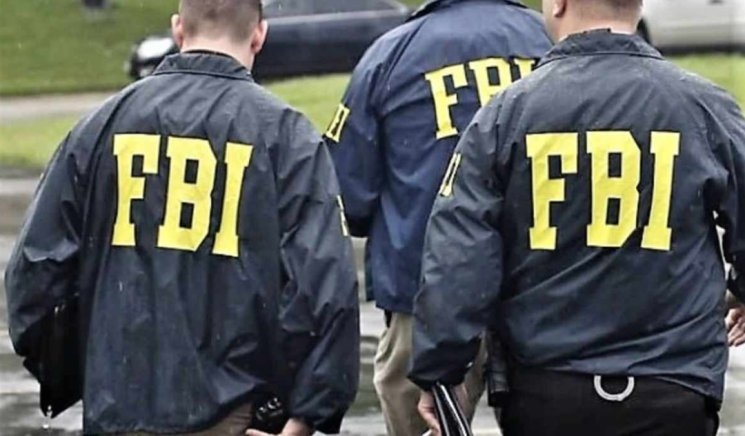
Despite his efforts to conceal his identity, the Alaska Department of Revenue detected the fraudulent applications and denied them. The FBI and DOR’s investigative efforts were instrumental in uncovering the scheme. U.S. Attorney Michael Heyman for the District of Alaska emphasized that Salako spent significant time planning and executing the fraud. “Thanks to the great work of the Alaska Department of Revenue and FBI, he didn’t succeed; but even attempting to defraud the PFD will not be tolerated and could result in federal prison,” Heyman stated.
This case highlights the ongoing efforts by U.S. authorities to combat identity theft and financial fraud, especially in programs that distribute public funds. As digital platforms become more central to government services, such scams pose increasing risks. Salako’s conviction serves as a warning to others attempting similar schemes, reinforcing the importance of vigilance and robust cybersecurity measures. His sentencing marks a significant step in holding cybercriminals accountable, particularly those exploiting public trust in government benefit programs.



Leave a Comment