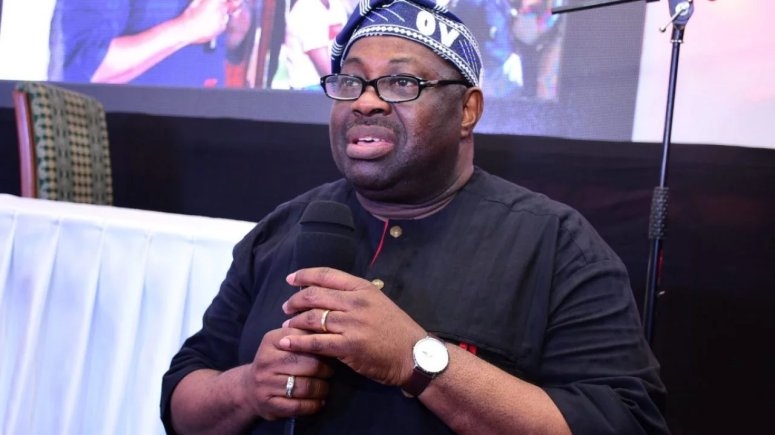
Dele Momodu, a prominent chieftain of the African Democratic Congress (ADC), has warned that President Bola Tinubu faces an unprecedented level of public hostility ahead of the 2027 presidential election, raising serious doubts about his chances of re-election. In a recent interview with media personality Rufai Oseni, Momodu stated that Tinubu no longer commands the crucial support needed to win, particularly from the Northern region, which was instrumental in his 2023 victory. He emphasized that for Tinubu to emerge as president in 2027, he must meet the constitutional requirement of securing at least 25 percent of the votes in each of the country’s six geopolitical zones, as well as winning in a minimum of 25 states.
Momodu highlighted that the current political climate is highly unfavorable for Tinubu, noting that widespread opposition exists not only among the general public but also within his own party. “The hatred for Tinubu is unprecedented,” he said, adding that the majority of Nigerians are now opposed to his leadership. This sentiment, according to Momodu, is a stark contrast to the 2023 election, when Tinubu’s victory was largely driven by strong backing from the North. He argued that this support has now eroded, leaving him vulnerable in key regions.
Furthermore, Momodu pointed out that Tinubu’s home state, Osun, rejected him in the last election and is likely to do so again in 2027. “Osun state, where he comes from, his ancestral home, rejected him last time, and I know they will reject him again,” he stated. This loss of local support, combined with declining influence in the North and South, creates a challenging scenario for Tinubu’s re-election bid. The ADC chieftain stressed that even if Tinubu manages to meet the 25-state threshold, the sheer level of public discontent could make it difficult to achieve the required electoral majority.
Momodu’s comments come at a time when political analysts are closely watching the shifting dynamics within Nigeria’s electoral landscape. His remarks underscore the growing pressure on Tinubu’s administration to deliver tangible results before the next election. With economic challenges and rising insecurity continuing to affect citizens across the country, public sentiment remains a critical factor in determining electoral outcomes. As the 2027 election approaches, the political environment will likely become even more competitive, with opposition parties positioning themselves to capitalize on Tinubu’s declining popularity. The coming years will test whether Tinubu can rebuild trust and regain the support needed to secure another term.




Leave a Comment