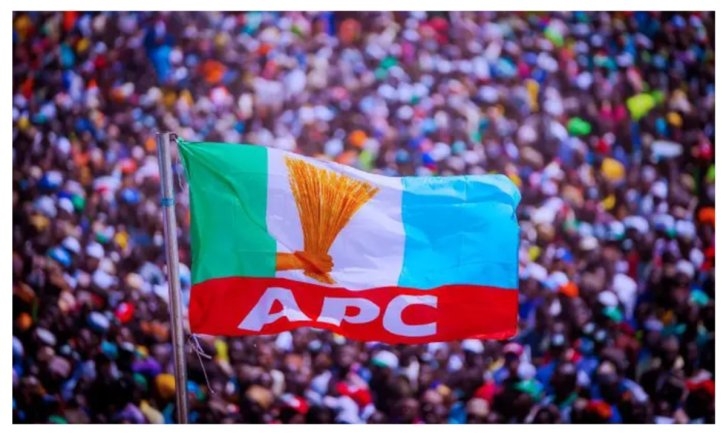
The All Progressives Congress (APC) has confirmed its decision to field a Muslim-Muslim presidential ticket for the 2027 election, with President Bola Tinubu renominating Vice President Kashim Shettima as his running mate. This move has reignited national debate over religious representation in Nigeria’s highest offices, echoing discussions that surrounded the 2023 election. While the ruling party and its allies see the decision as a strategic choice for continuity and stability, critics argue it undermines national inclusiveness in a country with diverse religious and ethnic identities.
The announcement, made last week, has drawn mixed reactions across the political and civic landscape. Supporters, including Senator Diket Plang of Plateau Central, have praised the decision as a demonstration of loyalty, stability, and policy continuity. Plang expressed pride in Tinubu’s steadfastness, emphasizing Shettima’s active role and commitment to the administration’s success. He urged Nigerians to support the administration’s vision, particularly its focus on infrastructure and national unity.
Major Bello M. Magaji, a retired military officer and professor of law, also endorsed the Muslim-Muslim ticket, highlighting its strategic value. He argued that retaining the same leadership team preserves institutional memory and policy momentum, especially during critical reforms in the economy, security, and governance. Magaji noted that the Tinubu-Shettima partnership has developed a strong working synergy, which is essential for effective executive coordination and long-term national development.
However, opposition voices have raised concerns about national representation. Rev. Emmanuel Olorunmagba, a chieftain of the National Rescue Movement (NRM), criticized the decision as politically convenient and lacking in inclusiveness. He stressed that Nigeria’s challenges—economic instability, insecurity, unemployment, and governance deficits—require leadership that reflects the country’s diversity and fosters national cohesion. Olorunmagba called on Nigerians to evaluate candidates based on competence and policy proposals rather than religious or ethnic symbolism.
The Middle Belt Forum (MBF) also expressed disappointment, stating the decision overlooks the strategic importance of the Middle Belt region, which contributes significantly to Northern Nigeria’s voting population. Its national spokesperson, Luka Binniyat, argued that the region’s predominantly Christian population has shown goodwill toward the Tinubu administration, yet remains excluded from the highest political ticket. The MBF maintains that Nigeria’s presidency should reflect its religious and cultural diversity to promote fairness and national unity.
The Northern Christian Elders’ Forum (NOSCEF) echoed similar sentiments, with Chairman Elder Sunday Oibe questioning the tangible outcomes of the current Muslim-Muslim ticket since 2023. He urged Nigerians to judge the administration’s performance before making electoral decisions.
Meanwhile, the Arewa Consultative Forum (ACF) has not taken a formal stance, with its national publicity secretary, Prof. Tukur Muhammad-Baba, stating the group is still observing the implications of the decision. He emphasized that the final choice rests with the President and APC, and that the electorate will ultimately decide which ticket to support.
As Nigeria approaches the 2027 elections, the debate over religious balance in leadership will continue to shape political discourse. The decision to retain the Muslim-Muslim ticket may influence voter sentiment, but the broader focus will remain on governance, delivery, and national development.

Leave a Comment