
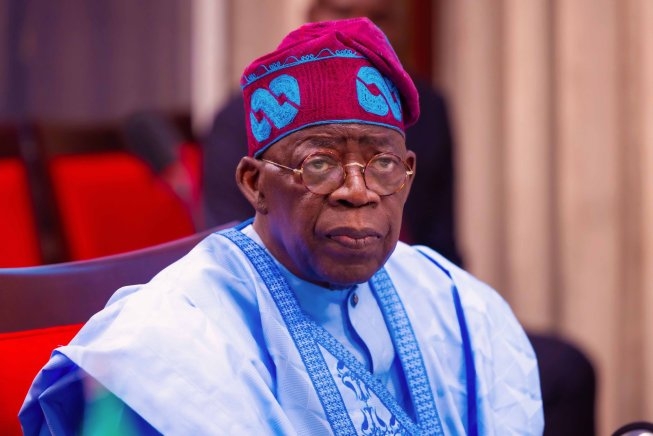
The Senior Political Assistant to the African Democratic Congress (ADC), Demola Olarenwaju, has accused President Bola Tinubu of undermining the core principles of Atiku Abubakar’s 2019 and 2023 presidential manifestos by pushing forward with the constitutional amendment bill on state police. Olarenwaju warned that Tinubu’s actions could have serious consequences for national unity and governance, especially if implemented without the necessary structural reforms. He made the remarks in response to the President’s recent transmission of the constitutional amendment bill to the Senate, which seeks to establish state police forces across Nigeria.
Olarenwaju emphasized that the idea of state police is not inherently flawed, but its implementation must be tied to a broader framework of true federalism. He stressed that without equitable funding for all states and independent state legislatures capable of overseeing executive actions, the establishment of state police could empower ineffective or corrupt governors. “State Police is only good enough when implemented under True Federalism that guarantees improved funding for all states and an independent state legislature performing its oversight responsibilities on the executive arm,” he wrote on X.
He further cautioned that introducing state police at this moment could be a dangerous move, particularly since many of the current state governors are members of the ruling All Progressives Congress (APC). According to Olarenwaju, this could result in greater concentration of power in the hands of governors who have already been criticized for poor governance. “Implementing State Police at this time is handing greater weapons to failed Governors now congregated in APC,” he stated, highlighting the potential for abuse and mismanagement.
The ADC official’s comments reflect growing concerns within opposition circles about the pace and direction of constitutional reforms under the Tinubu administration. Critics argue that the proposed amendments, while aiming to enhance security, may deepen regional inequalities and weaken federal oversight. Olarenwaju’s position underscores the need for comprehensive reforms that address both security and governance challenges simultaneously.
His remarks also highlight the political tension surrounding the constitutional amendment process, which has become a focal point in Nigeria’s ongoing debate about federalism, decentralization, and democratic accountability. As the Senate prepares to consider the bill, voices from across the political spectrum are calling for careful deliberation and inclusive dialogue.
The push for state police remains a contentious issue in Nigerian politics, with supporters citing the need for localized security solutions and opponents warning of fragmentation and abuse. As discussions continue, the outcome of this legislative effort could shape Nigeria’s federal structure for years to come.



Leave a Comment