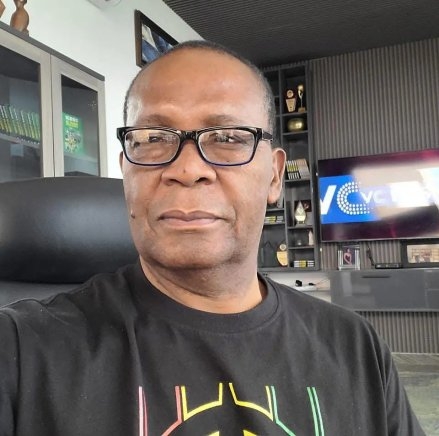
Joe Igbokwe, a prominent chieftain of the All Progressives Congress (APC), has strongly criticized Osun State Governor Ademola Adeleke for defecting from the Peoples Democratic Party (PDP) to the newly formed Accord Party ahead of the upcoming governorship election. Igbokwe labeled the move an “unbelievable mistake,” asserting that Adeleke should have aligned with the APC instead, especially considering President Bola Tinubu’s deep family connections to Osun State. The criticism comes as political realignments intensify across Nigeria ahead of critical elections.
Igbokwe argued that joining the APC would have given Adeleke stronger backing and greater chances of success in the next gubernatorial race. He emphasized that President Tinubu’s roots in Osun—where his mother hails from—make the state a strategic stronghold for the ruling party. According to Igbokwe, this connection provides the APC with unique leverage and grassroots support that could have benefited Adeleke’s political ambitions if he had chosen to switch sides within the alliance.
The former PDP governor’s decision to join the Accord Party has sparked widespread debate among political analysts and party members. Many view the move as a gamble, especially since the Accord Party is relatively new and lacks the national infrastructure and financial muscle of established parties like the APC or PDP. Critics question whether the new party can mobilize sufficient votes to challenge dominant political forces in Osun.
Adeleke’s defection marks a significant shift in the state’s political landscape, which has traditionally seen fierce competition between the PDP and APC. His move could influence voter sentiment and reshape alliances in the region. Some observers believe Adeleke may be seeking to carve out a niche by positioning himself as an independent alternative, distancing himself from both major parties.
Despite the backlash, Adeleke has not publicly responded to Igbokwe’s remarks. His supporters argue that the governor is pursuing a path that prioritizes his vision for Osun over party loyalty. They point to his record in office and claim that his decision reflects a desire to build a platform focused on development rather than partisan politics.
Political watchers remain cautious about the impact of this defection on the 2025 governorship race. With elections approaching, every party maneuver carries weight, and Adeleke’s choice to join the Accord Party could either energize a new coalition or isolate him politically. The outcome will likely depend on how well the Accord Party organizes its campaign and gains traction among voters.
As the political season heats up, figures like Joe Igbokwe are expected to continue voicing their opinions, shaping narratives, and influencing public perception. The situation in Osun underscores the dynamic nature of Nigerian politics, where loyalty, strategy, and personal ambition often intersect. What happens next will be closely watched as a potential indicator of broader electoral trends across the country.



Leave a Comment