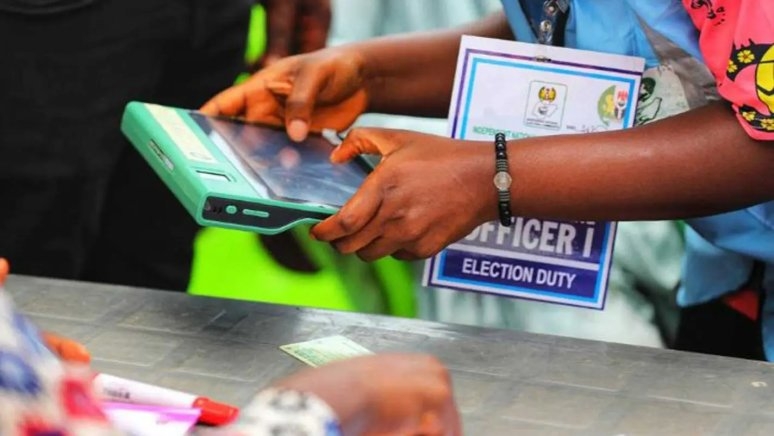
A 55-year-old voter, Sharafa Lasisi, has urged the Independent National Electoral Commission (INEC) to urgently fix a technical glitch in the Bimodal Voter Accreditation System (BVAS) that prevented him from casting his ballot in the ongoing Osun State governorship election. The incident occurred at Alamisi Unit 6 polling station, where Lasisi faced repeated failures during the facial verification process due to persistent network issues. Despite multiple attempts to complete the accreditation, the BVAS device consistently failed to authenticate his identity, leaving him unable to vote.
Lasisi expressed frustration over the situation, stating that he had arrived early at the polling unit and was prepared to exercise his civic duty. He emphasized that the problem was not with his biometric data or registration but with the system’s connectivity. “I have voted in previous elections without issues, but today, the machine just wouldn’t recognize me,” he said. “It kept showing ‘network error’ even though I stood still and followed all instructions.”
The malfunction highlights ongoing concerns about the reliability of electronic voting systems in Nigeria’s electoral processes. While INEC has repeatedly defended the BVAS as secure and efficient, incidents like this raise questions about infrastructure readiness, especially in rural or less-connected areas. Network instability remains a recurring challenge during elections, affecting both voters and officials attempting to use the technology smoothly.
INEC has yet to issue an official statement addressing Lasisi’s specific case, but the commission has acknowledged isolated technical hiccups across various polling units. In past elections, such issues have sometimes led to delays, confusion, or even the need for manual backups. However, INEC insists that these are minor and do not compromise the integrity of the overall electoral process.
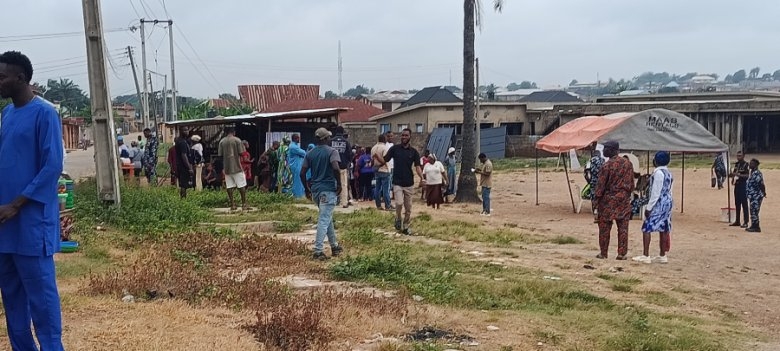
Voters across Osun State continue to navigate similar challenges, with reports of slow response times, device malfunctions, and power outages affecting turnout in some areas. Despite these setbacks, many Nigerians remain committed to participating in democratic processes, underscoring the importance of resolving technical barriers swiftly.
As the Osun governorship election progresses, the focus remains on ensuring transparency, inclusivity, and efficiency. The outcome of this election could set a precedent for future polls, particularly regarding the adoption and improvement of digital accreditation tools. Addressing technical flaws promptly will be crucial to maintaining public trust in Nigeria’s electoral framework.

Leave a Comment