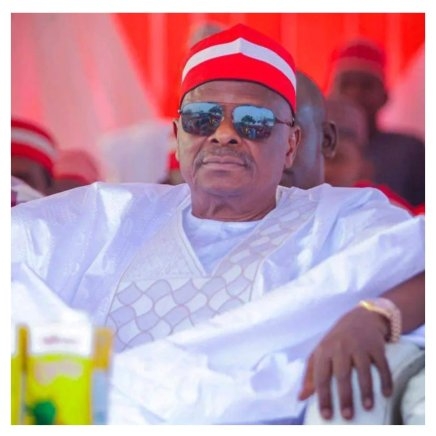
Rabi’u Kwankwaso, the Vice Presidential candidate of the Nigeria Democratic Congress (NDC), has publicly called on Atiku Abubakar, presidential aspirant of the African Democratic Congress (ADC), to withdraw from the 2027 presidential race and support the NDC’s bid. The appeal was made during a meeting with members of the Fulani Farmers Association at his Abuja residence on Thursday. Kwankwaso urged Atiku to step aside, promising that he would be “taken care of” if the NDC wins the presidency. This statement reflects growing efforts among opposition leaders to consolidate their forces ahead of the upcoming general election.
The call comes amid increasing pressure within Nigeria’s political landscape for unity among opposition parties to challenge President Bola Tinubu and the ruling All Progressives Congress (APC). With the 2027 elections approaching, key figures in the opposition are seeking strategic alliances to present a stronger front. Kwankwaso’s direct appeal to Atiku underscores the urgency of such collaboration, especially as internal divisions continue to weaken individual party prospects.
This development follows the departure of both Kwankwaso and former presidential candidate Peter Obi from the ADC in May. They left the party citing internal conflicts and ongoing legal disputes, which they believe hindered effective governance and electoral preparedness. Their move to the NDC marked a significant realignment in Nigeria’s opposition politics, signaling a shift towards a more unified platform. The NDC is now positioning itself as a central force in the opposition coalition, with Kwankwaso playing a pivotal role in rallying support.
Atiku Abubakar, who previously served as Vice President under President Olusegun Obasanjo, remains a prominent figure in Nigerian politics. His continued pursuit of the presidency has drawn attention, particularly as younger candidates like Peter Obi also vie for the top office. However, Kwankwaso’s appeal suggests that strategic positioning may outweigh personal ambition in the coming election cycle. By offering Atiku a place in a potential future administration, Kwankwaso aims to reduce fragmentation and strengthen the opposition’s chances.
As the 2027 election approaches, the dynamics among opposition parties will remain critical. The success of any single candidate will depend not only on popularity but also on the ability to unite diverse political factions. Kwankwaso’s outreach to Atiku highlights this necessity, setting the stage for further negotiations and alliances in the months ahead. The political landscape is shifting, and how these figures respond could shape the outcome of Nigeria’s next presidential election.





Leave a Comment