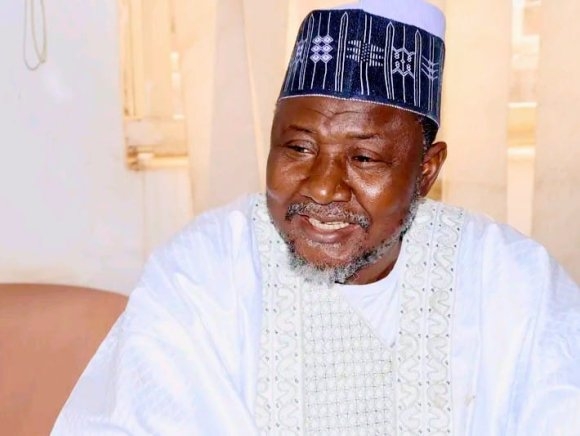
Senator Garba Musa Maidoki, representing Kebbi South in the Nigerian Senate, has officially defected from the All Progressives Congress (APC) to the African Democratic Congress (ADC), citing unresolved internal conflicts within the ruling party following the recently concluded primaries in Kebbi State. The defection, announced during Tuesday’s Senate plenary, marks a significant shift in the political landscape of the state and adds to a growing trend of APC lawmakers moving to the ADC over dissatisfaction with party processes. Maidoki, who chairs the Senate Committee on Legislative Compliance and serves as Vice-Chairman of the Senate Committee on Information and National Orientation, stated that his decision followed extensive consultations with his constituents.
The senator explained that his departure was driven by protracted issues arising from the APC’s primary elections, during which he was among several lawmakers excluded from the screening process. He emphasized that the internal wrangling had not been resolved, prompting him to seek a new political home. In a letter read during plenary, Maidoki affirmed that his decision was final and based on the need to represent the interests of his people more effectively. His move comes amid rising discontent within the APC, particularly over perceived unfairness in primary elections and leadership disputes.
Deputy Senate President Jibrin Barau, who presided over the session, intervened to urge Maidoki to reconsider his defection. Barau described the situation as a “family dispute” and insisted that the APC in Kebbi State does not face a fundamental crisis. He moved that the defection be stepped down to allow for internal reconciliation, arguing that the senator’s grievances could be addressed within the party framework. However, Maidoki firmly rejected the appeal, stating that he had already made up his mind and that his exit was irreversible.
This defection is part of a broader pattern of APC members defecting to the ADC in recent months, largely due to dissatisfaction with the party’s internal processes and primary elections. The ADC has increasingly positioned itself as a viable alternative for politicians and stakeholders disillusioned with the ruling party’s governance and leadership structure. With the 2027 general elections on the horizon, such moves are likely to influence political dynamics and party strategies across the country.
Maidoki’s switch to the ADC is expected to deepen existing divisions within the APC in Kebbi State and could reshape the political calculus in his senatorial district. His experience and committee roles may also strengthen the ADC’s presence in national legislative affairs. As more politicians weigh their options ahead of the next election cycle, the political realignment in Nigeria continues to evolve, with defections like Maidoki’s signaling shifting allegiances and growing discontent within the ruling party.

Leave a Comment