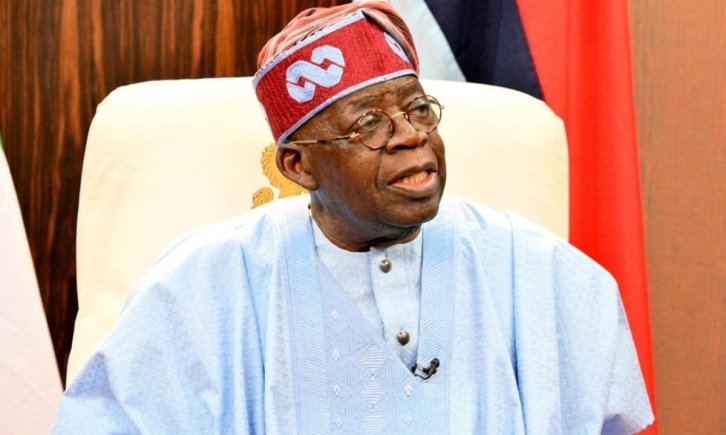
A chieftain of the African Democratic Congress (ADC), Kalu Kalu, has accused President Bola Tinubu of submitting forged educational certificates to the Independent National Electoral Commission (INEC) in multiple elections, including 1999 and 2023, and allegedly again in the current electoral cycle. Speaking on Channels Television’s Politics Today on Thursday, Kalu made the explosive claim amid growing public scrutiny over Tinubu’s missing primary and secondary school certificates from his INEC forms. He insisted that the documents presented by the president are not genuine and violate constitutional provisions against using forged credentials in presidential elections.
Kalu emphasized that Section 137 of the Nigerian Constitution explicitly states that no person shall be qualified to contest for the office of president if they have submitted a forged certificate to INEC. He stated this is not only a legal requirement but also a moral and democratic imperative. According to him, Tinubu’s submission of false information about attending Saint Paul’s Primary School in Ibadan during the 1999 election was an outright lie. “The substance of this issue is: did Tinubu in 1999 submit forged certificates to INEC? The answer is yes,” Kalu declared, adding that the same pattern repeated in 2023.
He challenged Tinubu, his political handlers, and his legal team, led by lawyer Femi Ogala, to publicly refute his claims. Kalu maintained that he was speaking on national television to ensure transparency and accountability, urging Nigerians to demand truth from their leaders. His statements come at a time when questions about presidential eligibility and document verification have intensified across Nigeria’s political landscape.
The controversy centers on the absence of Tinubu’s primary and secondary school certificates from his INEC nomination forms, which are mandatory under electoral regulations. While some argue that the documents may be pending or delayed, Kalu insists that the absence itself is suspicious and consistent with a pattern of deception. He pointed out that the president’s past submissions contain inconsistencies that point to forgery, particularly regarding his early education.
Kalu’s allegations have reignited debates about electoral integrity and the need for stricter verification processes in Nigerian politics. As the country continues to grapple with issues of trust and transparency in governance, such claims add pressure on both the presidency and INEC to provide clear, verifiable evidence of candidates’ qualifications. The matter remains unresolved, and further developments are expected as the public and opposition parties continue to scrutinize the president’s documentation. This case could set a precedent for future electoral disputes and reinforce calls for greater accountability in Nigeria’s democratic process.
Leave a Comment