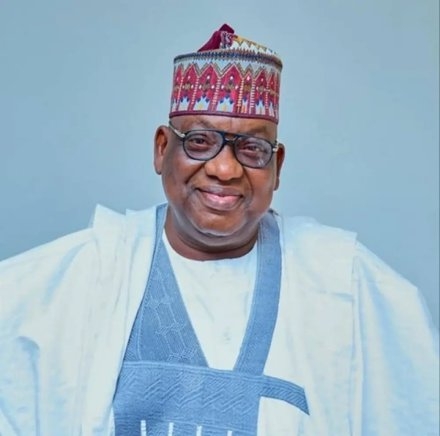
Senator Rufai Sani Hanga, a former ally of Rabiu Musa Kwankwaso and the Kwankwasiyya movement, has publicly criticized Kwankwaso over what he describes as unjust and baseless reasons for excluding him from contesting for political office. Speaking during a live radio programme in Kano, Hanga expressed deep disappointment, questioning the credibility of the grounds cited by Kwankwaso, particularly his age and health condition. He argued that these claims are not only misleading but also undermine the principles of fairness and transparency in politics.
Hanga, who currently serves as a Senator representing Kano South, challenged Kwankwaso’s assertion that his leg condition disqualifies him from running for either the position of deputy governor or retaining his Senate seat. “How can Kwankwaso cite my age and health condition to deny me the chance to contest?” he asked, emphasizing that his physical condition does not hinder his ability to perform legislative duties. He pointed out that his leg issue is manageable and has not prevented him from actively participating in Senate activities or public engagements.
In a direct and pointed response, Hanga revealed that he is actually younger than Kwankwaso by two years, calling into question the logic behind age-based exclusion. “Let me tell you, on age, he is two years older than I am,” he stated, highlighting the irony of being denied a political opportunity based on a factor that does not favor the person making the decision. He further questioned Kwankwaso’s own age when he assumed office as governor and his current age as a vice-presidential candidate, implying a double standard.
Hanga also dismissed Kwankwaso’s repeated references to his leg condition as “nothing but a sham that cannot stand.” He maintained that his health is strong and that he remains fully capable of fulfilling the responsibilities of public office. His remarks come amid growing tensions within the Kwankwasiyya movement, where internal disagreements over leadership and political appointments have become increasingly public.
The senator’s comments have sparked reactions across Kano and beyond, with many political observers noting the significance of the rift between two once-close allies. The dispute underscores deeper challenges within the movement, particularly as it seeks to maintain unity ahead of upcoming elections. Hanga’s bold stance may signal a shift in political dynamics within Kano’s political landscape, where loyalty and personal relationships often play a crucial role in determining political outcomes.
As the 2027 general elections approach, the fallout from this public confrontation could influence party alignments and voter perceptions. The issue of age and health in politics remains a sensitive topic, and Hanga’s case may prompt broader discussions on how such factors are evaluated in candidate selection. His challenge to Kwankwaso’s authority could mark the beginning of a more competitive and open political environment within the Kwankwasiyya movement.

Leave a Comment