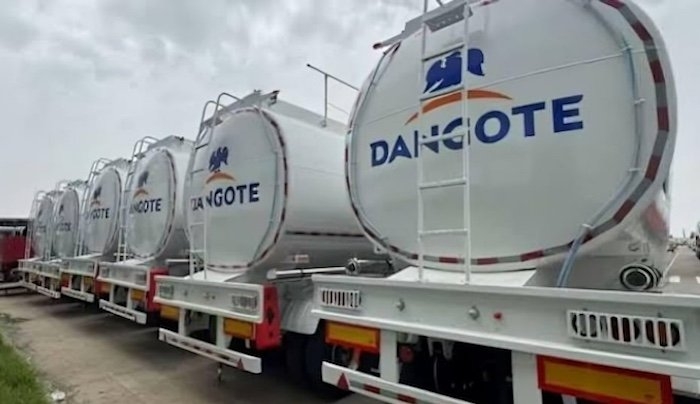
Dangote Petroleum Refinery has begun sourcing crude oil from the United Arab Emirates (UAE) as domestic supply constraints continue to affect feedstock availability for the 650,000-barrel-per-day facility. This marks a significant shift in the refinery’s procurement strategy, as it seeks to diversify its supply sources to maintain uninterrupted refining operations. Despite Nigeria’s status as Africa’s largest crude oil producer, the refinery has faced challenges in securing enough domestic crude to meet its operational demands. The decision to import crude from the UAE underscores the growing need for flexibility in feedstock sourcing.
Since commencing operations, Dangote Refinery has primarily relied on Nigerian crude grades supplied by local producers and the Nigerian National Petroleum Company (NNPC) Limited. However, tightening domestic supply and increased competition for available crude have forced the refinery to look beyond Nigeria’s borders. Industry analysts note that importing crude from the Middle East allows the refinery to manage its feedstock requirements more effectively while reducing reliance on a single source. This move also reflects a broader trend in the global refining industry, where feedstock is procured based on availability, pricing, and compatibility with refinery configurations, rather than geographic proximity.
The refinery has continued to ramp up production of refined petroleum products, including petrol, diesel, and aviation fuel, supplying not only Nigeria but also several African markets. This expansion has helped reduce Nigeria’s dependence on imported refined products and has positioned the country as an emerging exporter of fuels in West Africa. However, consistent crude supply remains essential for the refinery to operate at higher utilisation rates and meet its long-term production targets. The UAE crude procurement follows federal government efforts to improve domestic crude allocation to local refineries under policies aimed at strengthening Nigeria’s downstream sector.
Market observers point out that while domestic crude is preferred due to lower transportation costs and faster delivery, imported cargoes may become increasingly vital when local supply falls short. The diversification of crude sources is expected to enhance operational resilience by minimizing disruptions and providing access to a wider range of crude grades suitable for refining. Analysts believe the refinery’s ability to source crude internationally demonstrates its growing commercial flexibility and reinforces its role in the global energy value chain. As refining capacity expands, stakeholders anticipate that crude procurement strategies will continue to evolve, balancing domestic and international supplies to ensure sustained operations. This development highlights the evolving nature of Nigeria’s energy sector and its integration into global markets.





Leave a Comment