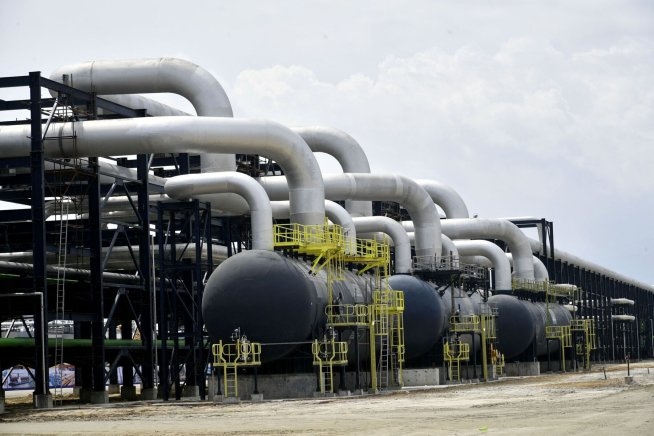
The Dangote Refinery has revised its bulk fuel loading rates, reducing the prices at which marketers purchase petrol and diesel from its facility in Lagos, a move expected to ease distribution costs across Nigeria’s downstream petroleum sector. Under the new pricing structure, petrol loading costs have been adjusted to ₦1,250 per litre, while diesel loading rates have been set at ₦1,700 per litre. This adjustment reflects the refinery’s continued efforts to optimize production economics and boost the availability of locally refined petroleum products in the Nigerian market. The changes come as the refinery scales up operations and strengthens its position as a key supplier to domestic consumers and industrial users.
The revised rates are seen as a positive development for fuel marketers and logistics operators who face rising operational costs. By lowering the cost of acquiring bulk fuel, the refinery may help reduce pressure on margins and improve supply chain efficiency. Industry observers suggest that the impact on retail fuel prices will vary depending on transportation costs, storage fees, dealer margins, and regional distribution patterns. While the loading rates are lower, final pump prices will still be influenced by multiple factors along the supply chain.
The Dangote Refinery, one of the largest single-train refineries in the world, has become a major player in Nigeria’s energy landscape. Its increasing output is helping the country reduce dependence on imported refined petroleum products, a long-standing challenge for the nation’s energy security. Analysts believe that greater local refining capacity can enhance supply stability, reduce foreign exchange outflows, and support broader economic goals. As Nigeria continues to shift toward self-sufficiency in refined fuels, the refinery’s role becomes increasingly strategic.
For businesses reliant on diesel, such as manufacturers, logistics firms, and commercial transport operators, lower loading costs could lead to improved operating conditions. If these savings are passed through the value chain, it may result in reduced transportation and production costs, potentially benefiting consumers. The pricing review also signals growing competition and efficiency in the downstream sector, especially in the wake of fuel price deregulation. Market participants are now closely monitoring how these changes will affect pump prices, logistics expenses, and overall economic activity in the coming weeks.
As domestic refining capacity expands, stakeholders anticipate that lower bulk fuel costs will contribute to a more stable and resilient petroleum market. The Dangote Refinery’s latest move underscores its commitment to supporting Nigeria’s energy transition and economic development. The full impact of the revised rates will become clearer as marketers adjust their operations and consumers see changes at the pump.





Leave a Comment