The 2026 FIFA World Cup in the United States, Canada, and Mexico marks a historic moment for African football, as up to 10 teams from the continent are set to compete in the expanded 48-team tournament—a significant leap from previous editions. While Nigeria’s Super Eagles are currently rebuilding in London under Eric Chelle at the Unity Cup, the rest of Africa is preparing for what could be its most impactful World Cup yet. With Morocco’s 2022 semi-final run still fresh in memory, African teams are now backed by stronger tactical frameworks, deeper squads, and improved data-driven strategies.
Morocco, under Walid Regragui, enters as one of the tournament’s top contenders, having won all their CAF qualifiers in Group E. Their balanced defensive structure and rapid transitions are enhanced by the addition of Real Madrid’s Brahim Díaz, adding much-needed creativity. Drawn in Group C with Brazil, Scotland, and Haiti, Morocco’s path to the knockout stage looks favorable, and their experience makes them a threat even against the tournament favorites.
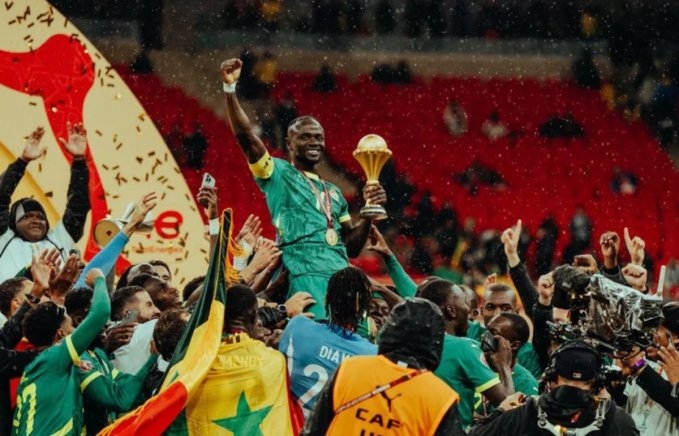
Senegal, led by Aliou Cissé, remains a powerhouse with a high-intensity, possession-based style. Their defensive core, anchored by Kalidou Koulibaly, and attacking prowess from Sadio Mané and Nicolas Jackson, give them a strong chance in Group I, which includes France, Norway, and a playoff qualifier. Despite facing tough opposition, historical performances suggest Senegal can challenge even the top teams.
Ivory Coast, under Emerse Faé, brings a flexible system that blends youth and experience. With Amad Diallo, Simon Adingra, and Yan Diomandé, they have the tools to thrive in Group E against Germany, Ecuador, and Curaçao. However, their success will depend on maintaining defensive discipline.
South Africa, returning to the World Cup for the first time since 2010, secured qualification by outperforming Nigeria in a tough campaign. Hugo Broos has built a cohesive unit around domestic stars from Mamelodi Sundowns and Orlando Pirates, giving them a unique edge. Facing Mexico, South Korea, and a UEFA playoff winner in Group A, Bafana Bafana could cause an upset with their high-pressing style.
Egypt, managed by Hossam Hassan, relies heavily on Mohamed Salah and Omar Marmoush’s counter-attacking brilliance. In Group G with Belgium, Iran, and New Zealand, they have a realistic shot at advancing, especially if Belgium’s aging squad falters.
Ghana, however, faces major setbacks. Carlos Queiroz’s team lost key players Mohammed Kudus and Mohammed Salisu to injuries, severely impacting their chances in Group L against England and Croatia. Despite the talent of Antoine Semenyo and Thomas Partey, their path is now much tougher.
The expanded format, with a Round of 32 and spots for best third-placed teams, increases Africa’s chances. Analytical models suggest Africa’s probability of having at least three teams in the knockout rounds has more than doubled. Algeria and Cape Verde also aim to make an impact, though they face tough groups.
This World Cup is a defining moment for African football. With tactical diversity and resilience, the continent is no longer just participating—it’s ready to compete for glory.

Leave a Comment