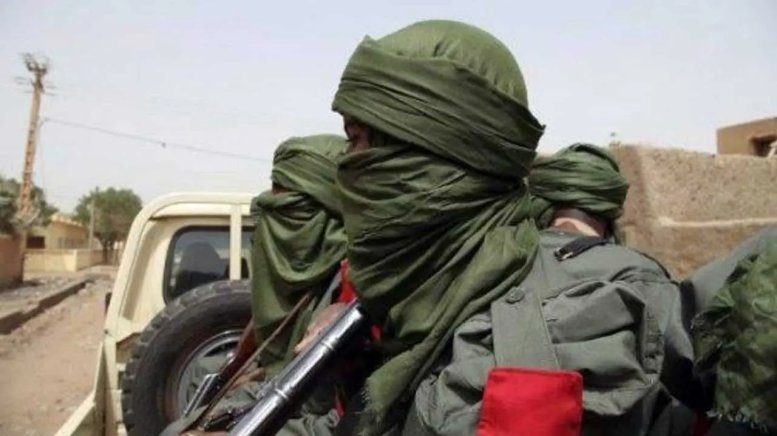
Bandit attacks in Zamfara State have left several people dead and many others injured, with homes destroyed and communities displaced, as armed groups launched coordinated assaults on Sunday afternoon. The violent incidents occurred in Bardoki, located in Gummi Local Government Area, and Bunkasau in Bukkuyum Local Government Area. Security analyst Bakatsine confirmed the attacks via a post on X, detailing the widespread destruction and loss of life.
The bandits not only killed civilians but also set fire to properties, including Ruwan-Kura community, which was torched after the initial assault on Bardoki. Residents were forced to flee their homes in panic, seeking refuge in nearby villages such as Daki Takwas and Dargaje. Many are now living in temporary shelters, having lost everything they owned — their houses, belongings, and in some cases, family members.
In a troubling development, civilian Joint Task Force (JTF) members who mobilized to respond to the crisis in Bunkasau were ambushed by the attackers. This highlights the increasing danger faced by local security forces and volunteer defenders trying to protect their communities. The ambush underscores how unpredictable and deadly these attacks have become, even for those attempting to intervene.
Bakatsine emphasized the human cost of the violence, describing it as a tragedy where people are losing their homes, loved ones, and livelihoods. He noted that the attacks are part of a growing pattern of insecurity in northern Nigeria, particularly in Zamfara, where banditry has intensified in recent months. The state continues to grapple with frequent raids, kidnappings, and property destruction, severely impacting rural populations.
Despite ongoing military operations and security deployments, the threat remains high, and communities remain vulnerable. The Nigerian government and security agencies have yet to issue an official statement on the latest attacks, leaving residents without immediate reassurance or support. Civilian JTFs, though crucial in filling gaps in security, often operate with limited resources and training, making them susceptible to ambushes.
This incident adds to the mounting toll of insecurity in Zamfara, a region already battered by years of conflict. As families continue to displace and rebuild their lives under uncertain conditions, the need for sustained, coordinated action from federal and state authorities becomes more urgent. The future safety of these communities depends on stronger security measures, better intelligence, and improved protection for civilians and local defenders.

![Senator Fadahunsi Caught Threatening Voters at Osun Polling Unit Amid Police Presence [VIDEO]](https://www.nigerianupdates.com/wp-content/uploads/2026/08/Fadahunsi.jpeg)


Leave a Comment