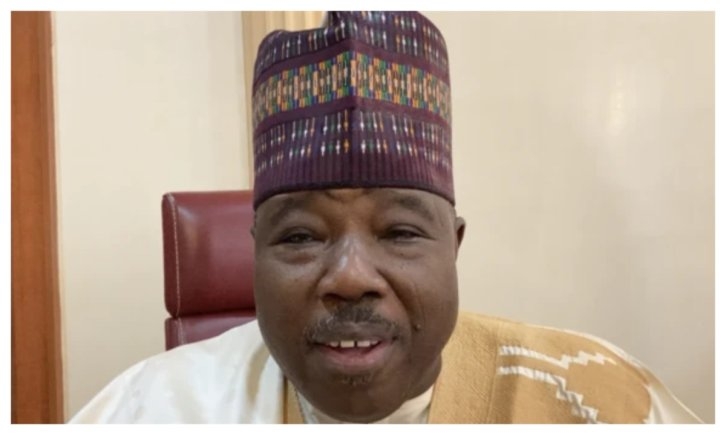
Regarding Atiku Abubakar, Sheriff acknowledged his qualifications and experience as a seasoned politician. However, he maintained that it is not the North’s turn to produce the president in 2023, citing President Muhammadu Buhari’s eight-year tenure as evidence of the region’s recent leadership. Sheriff believes the South should have the opportunity to lead now, in line with the prevailing political rotation principle.
Sheriff’s statements reflect broader regional sentiments in Nigeria’s electoral politics, where power-sharing and regional balance remain central themes. His remarks also underscore the challenges faced by candidates who are perceived as breaking from traditional regional alignments. As the election season intensifies, such regional assessments will continue to shape campaign strategies and voter mobilization efforts.
The 2023 presidential race is expected to be highly competitive, with candidates from different parties and regions vying for national leadership. Sheriff’s comments, coming from a prominent Northern political figure, add weight to the ongoing discourse on regional equity and political inclusion. His prediction that Atiku must wait until 2031 suggests a long-term view of Nigeria’s political cycle, one that may influence how parties and candidates position themselves in the coming years.

Leave a Comment