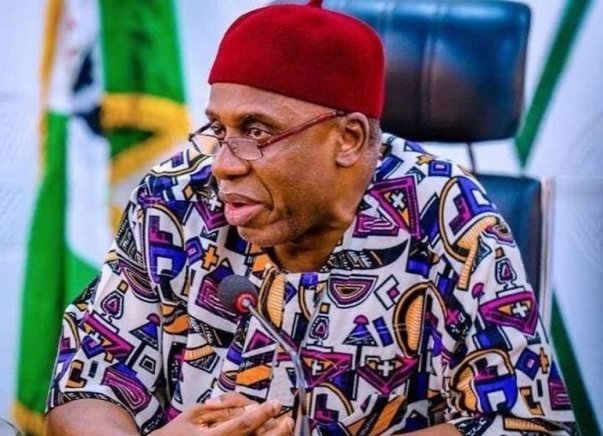
Former Minister of Transportation, Rotimi Amaechi, has urged the Federal Government to immediately suspend all ongoing electioneering activities and redirect full attention to addressing the escalating insecurity gripping Nigeria. Speaking on the current state of the nation, Amaechi emphasized that the worsening security situation must be treated as a national emergency, taking precedence over political campaigns. He stressed that without a safe environment, credible and peaceful elections cannot be guaranteed. His call comes amid increasing reports of kidnappings, killings, and violent unrest across several states, particularly in the North-West, North-East, and parts of the South-South.
Amaechi warned that continuing political rallies and campaigns during this period of heightened insecurity only fuels public frustration and erodes trust in government institutions. He pointed out that citizens are more concerned with their safety than political promises, especially when daily life is disrupted by criminal activities and attacks on communities. “There can be no meaningful elections if citizens do not feel safe in their own communities,” he stated, highlighting the fundamental link between security and democratic processes.
The former minister called on security agencies and political leaders to prioritize the protection of lives and property above all else. He argued that restoring peace and stability should be the immediate focus before any serious political engagements leading to the upcoming elections. Amaechi’s remarks reflect growing public sentiment that the government must first ensure safety before pushing forward with electoral preparations. His intervention adds to a chorus of voices from civil society, religious leaders, and security experts who have similarly called for a pause in political activities.
Security challenges have intensified in recent months, with multiple attacks on villages, highways, and even police stations. The rise in banditry, herder-farmer conflicts, and terrorist activities has left many Nigerians living in fear. In some regions, residents have resorted to self-defense groups due to perceived inaction from security forces. Amaechi’s appeal underscores the urgency of addressing these threats before the country can move toward a peaceful electoral process.
His call also highlights the need for coordinated action between federal and state governments, security agencies, and political stakeholders. The suspension of campaigns, if implemented, could allow authorities to focus on deploying resources to hotspots and strengthening community policing. While political parties may resist such a move, the safety of citizens remains the most critical concern.
As Nigeria prepares for its next general elections, the issue of security will likely remain at the forefront of national discourse. Amaechi’s intervention serves as a stark reminder that democracy cannot thrive in an environment of fear and violence. The government’s response to this call will be closely watched by the public and international observers alike.



Leave a Comment