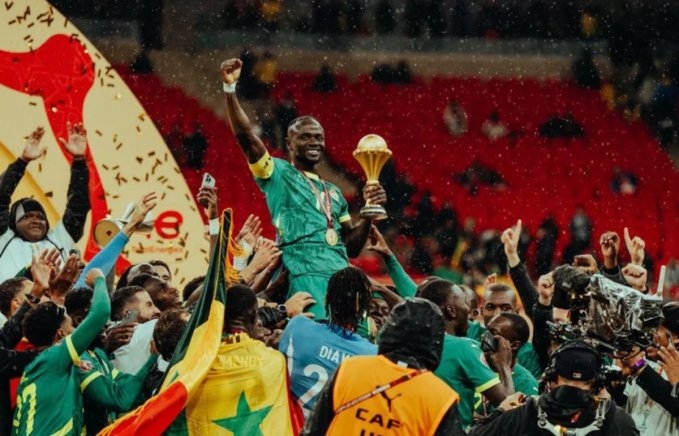
African football is experiencing a transformative era, marked by greater global visibility, stronger continental competitions, and a rising presence on the world stage. With the 2026 FIFA World Cup expanding to 48 teams, Africa will receive nine direct qualification spots, plus a potential additional place through the FIFA play-off tournament. This increased representation reflects the continent’s growing strength and offers more nations a realistic chance to compete at football’s highest level. For decades, African teams have shown talent and resilience, but limited slots made qualification brutally competitive. The expanded format promises more experience, better development, and sustained growth for footballing nations across the continent.
Morocco’s historic run to the semi-finals of the 2022 FIFA World Cup shifted global perceptions of African football. Their disciplined, tactically sound performances against top-tier teams proved that African nations could compete deep into the tournament without compromising their identity. That success was followed by Morocco’s confirmation as host of the 2025 Africa Cup of Nations, scheduled from December 21, 2025, to January 18, 2026. The country’s world-class stadiums, professional organisation, and strong player base have solidified its status as a leading football hub in Africa. Hosting AFCON further strengthens Morocco’s influence and sets a benchmark for future hosts.
The Africa Cup of Nations is no longer seen as a secondary event. It is one of the most intense international tournaments globally, featuring high-pressure matches, diverse playing styles, and emotional stakes. The 2025 edition’s scheduling during the Christmas and New Year period highlights the ongoing challenge of fitting continental competitions into a crowded global calendar dominated by European leagues. Despite this, AFCON remains a showcase of African passion and talent, with smaller nations often delivering surprising results against traditional powerhouses.
African club football is also becoming more competitive. The CAF Champions League, one of the continent’s toughest tournaments, saw Pyramids FC claim their first title in 2024-25 by defeating Mamelodi Sundowns 3-2 on aggregate. This victory signaled a shift, as Pyramids, a relatively new force in Egyptian football, overcame one of South Africa’s most consistent clubs. It reflects the growing depth and investment in African club football, driven by better coaching, recruitment, and infrastructure.
North Africa continues to dominate with Egypt, Morocco, Tunisia, and Algeria leading in domestic strength and continental experience. Their clubs benefit from better facilities, larger fan bases, and professional systems. West Africa remains a powerhouse for producing elite talent, with Nigeria, Ghana, Ivory Coast, Senegal, and Mali supplying stars to Europe’s top leagues. Senegal, in particular, has built a balanced national team combining athleticism and European experience.
Smaller nations like Cape Verde, Mauritania, and Comoros are proving that strategic planning, diaspora connections, and smart recruitment can lead to competitive performances. African players such as Mohamed Salah, Sadio Mané, Victor Osimhen, and Riyad Mahrez are shaping European football, inspiring youth across the continent. However, development remains uneven. Investment in local academies, coaching, and women’s football is crucial. The future of African football lies in building sustainable structures that nurture talent at home while maintaining global influence. With continued progress, African football will not only produce stars but entire teams capable of changing the game.





Leave a Comment