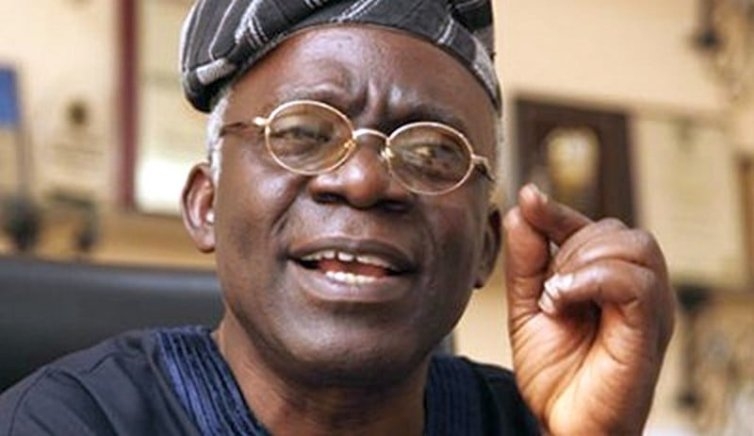
Human rights lawyer Femi Falana has called for a strict limitation of the judiciary’s role in Nigeria’s electoral process, warning that allowing courts to determine election winners undermines the will of the people. Speaking on Arise Television’s Sunrise Daily on Wednesday, Falana emphasized that the judiciary should not be permitted to override results decided by voters through technicalities or legal challenges. He argued that such interventions make a mockery of democratic participation and erode public trust in elections.
Falana pointed out there are no clear signs that the Nigerian judiciary is prepared to handle the potential legal disputes arising from the 2027 general elections, scheduled for January and February. He stressed that the focus must shift from post-election litigation to ensuring credible, transparent, and well-conducted elections from the outset. According to him, the responsibility lies with INEC, the media, political parties, and all stakeholders to prevent electoral irregularities that often lead to prolonged court battles.
He highlighted the recent Osun State governorship election as an example, noting that despite its flaws, the outcome was accepted without going to court because the people had made their choice. “At the end of the day, the beauty of it will be that the governorship election will not go to court because the people have decided,” Falana said. He insisted that courts should not be allowed to interfere with the popular mandate, especially when technicalities are used to overturn results.
Falana further stated that reducing the judiciary’s involvement in elections depends on the integrity of the electoral process itself. If elections are conducted fairly and without manipulation, the need for tribunal cases diminishes significantly. He urged INEC to ensure accurate result transmission, eliminate fake results, and maintain transparency throughout the voting and counting processes. This, he believes, would limit the scope for legal challenges and preserve the legitimacy of elected leaders.
The activist lawyer warned that continued judicial overreach in elections could weaken Nigeria’s democracy. He called on citizens, media organizations, and political actors to uphold electoral standards and hold institutions accountable. By prioritizing credible elections, Nigeria can move toward a system where courts play a minimal role in determining who wins, and the voice of the electorate prevails.
As Nigeria prepares for its next general elections, Falana’s remarks underscore the urgent need for systemic reforms in electoral administration to reduce dependency on judicial intervention and strengthen public confidence in democratic outcomes.

Leave a Comment