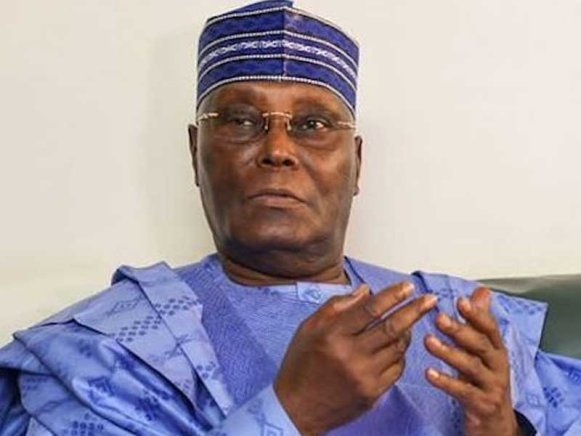
The son of former Kaduna State governor Nasir El-Rufai, Bashir El-Rufai, has revealed that core Northerners are increasingly embracing Atiku Abubakar, the presidential candidate of the African Democratic Congress (ADC), marking a significant shift in Northern political dynamics. In a recent post on X, Bashir highlighted that this is the first time in Atiku’s long political career that he is gaining widespread acceptance among core Northern voters. He attributed this growing support to Atiku’s consistent positioning as the most detribalised candidate in Nigeria’s political landscape, a factor that resonates deeply with voters seeking unity and national cohesion.
Bashir emphasized that Atiku’s campaign strategy, particularly his stance on the fuel subsidy debate, is creating pressure on the current government. According to him, the narrative surrounding the subsidy issue has struck a chord with ordinary Nigerians who feel the economic impact of policy decisions. “That calculus could be the game-changer,” Bashir wrote, noting that the government appears rattled by the momentum Atiku has built around this issue. The debate, he argued, aligns closely with the realities faced by many citizens, especially in urban centres where transportation and living costs have surged following subsidy removal.
In another personal reflection, Bashir shared insights from his visits to his father, Nasir El-Rufai, who served as Kaduna State governor from 2015 to 2023. He described how his father’s resilience and positive outlook continue to inspire him, even amid political challenges. “When I visit my father, I always leave truly amazed by how it is we, on the outside, that are bothered,” Bashir wrote. He recounted asking his father whether the sacrifices made during his tenure were worth it. Without hesitation, Nasir El-Rufai responded with a firm “YES,” underscoring his belief in the importance of public service and governance reform.
The growing support for Atiku in the North suggests a potential realignment in Nigeria’s political map, particularly in regions where ethnic and regional affiliations have traditionally shaped voting patterns. Bashir’s observations point to a broader trend: voters are increasingly prioritizing candidates who promote national unity over those tied to narrow regional or ethnic interests. As the 2027 general elections draw closer, Atiku’s ability to sustain this momentum in the North could significantly influence the outcome of the presidential race.
This development underscores the evolving nature of Nigerian politics, where issues like economic policy and national identity are gaining prominence over traditional tribal loyalties. With Atiku’s campaign gaining traction, especially among key Northern constituencies, the political landscape may witness a more inclusive and pan-Nigerian contest in the coming years.


Leave a Comment