Atiku Claims Obasanjo Has No Electoral Value

Atiku Claims Obasanjo Has No Electoral Value

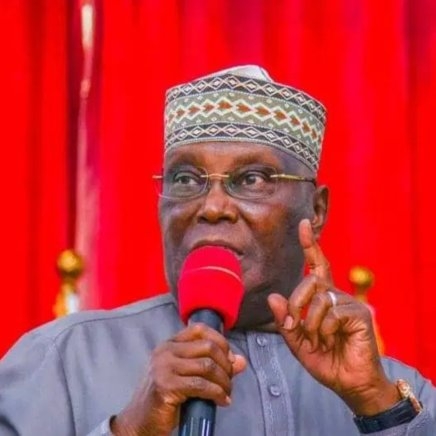
Atiku Abubakar, presidential candidate of the African Democratic Congress (ADC), has dismissed former President Olusegun Obasanjo’s political influence, stating that Obasanjo holds no electoral value in Nigeria’s current political landscape. Speaking to journalists on Wednesday, Atiku expressed indifference over Obasanjo’s refusal to endorse him in the upcoming 2027 general elections. He argued that Obasanjo’s rise to power in 1999 was not due to widespread support in his own region or the Southwest, but rather because of backing from Arewa, the northern region of Nigeria.

Atiku emphasized that Obasanjo failed to win his home state or secure a strong mandate across the Southwest during the 1999 election, which he believes undermines any claim to political relevance today. “In 1999, he could not even win his own state or the Southwest; it was Arewa that made him President. He possesses no electoral value,” Atiku stated bluntly. This remark underscores the deep-seated political rift between the two former leaders, who served together as President and Vice President respectively from 1999 to 2007.

The tension between Atiku and Obasanjo dates back to their time in office, particularly when Atiku opposed Obasanjo’s attempt to seek a third term in 2006. Atiku maintained that his resistance was rooted in defending Nigeria’s Constitution and democratic principles, not personal animosity. Their relationship has remained strained ever since they left office in 2007 after completing their second term.

Looking ahead to the 2027 elections, Atiku highlighted his legacy of empowering young Nigerians during his tenure as Vice President. He noted that he created opportunities for many youth to serve in government, and several are now holding key positions such as governors, ministers, and directors. Atiku promised that if elected president, he would continue to prioritize youth inclusion and leadership development.

He stressed that his administration would be built on merit and opportunity, ensuring that capable young Nigerians have a platform to contribute to national development. Atiku’s campaign appears to focus on experience, institutional memory, and youth empowerment as core pillars. His remarks reflect a broader narrative aimed at positioning himself as a leader committed to inclusive governance and constitutional democracy.

As Nigeria prepares for the next presidential election, Atiku’s comments underscore the ongoing dynamics within the country’s political elite. The rivalry between Atiku and Obasanjo remains a significant factor in shaping party alignments and voter perceptions. With both men still active in public life, their contrasting visions for Nigeria’s future will likely continue to influence political discourse leading up to 2027.