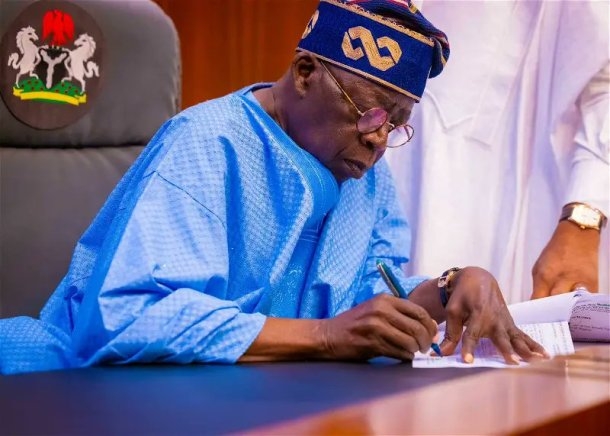
President Bola Tinubu’s economic reforms are gaining traction among investors, with rising stock market gains and increased capital inflows signaling growing confidence in Nigeria’s economy, but millions of citizens continue to grapple with soaring living costs as the benefits of these changes remain unevenly spread. Three years into the administration’s reform agenda, macroeconomic indicators show improvement, including a 60 percent surge in the Nigerian Exchange Group index this year and foreign capital inflows reaching $23 billion—the highest in six years. The government has also celebrated milestones such as the operational launch of the 650,000-barrel-per-day Dangote Petroleum Refinery and expanded involvement of indigenous firms in the oil sector, all part of broader efforts to restore fiscal discipline.
Since assuming office in May 2023, Tinubu’s team has removed the petrol subsidy, liberalized the foreign exchange market, and cut electricity subsidies to eliminate distortions and strengthen public finances. These measures were designed to create a more stable and transparent economic environment. However, while financial markets have responded positively, everyday Nigerians face mounting challenges. Food prices have risen sharply, with the cost of preparing staple meals like jollof rice more than doubling since the reforms began. Petrol prices now average around ₦1,600 per litre, driven by subsidy removal, currency depreciation, and global oil price fluctuations.
High borrowing costs further strain households and businesses. The Central Bank of Nigeria maintains its benchmark interest rate at 26.5 percent to combat inflation, which remains near 16 percent. This has limited access to affordable credit, dampening investment and consumer spending. Despite the stock market boom, participation remains low—fewer than 5 percent of adults invest in the capital market—meaning much of the wealth generated has not reached ordinary citizens. Additionally, a significant portion of foreign investment flows into short-term instruments that can be quickly withdrawn if conditions worsen, raising concerns about sustainability.
The World Bank reported that over half of Nigeria’s population lived in poverty last year, up from 42 percent in 2022, highlighting the human cost of the ongoing transition. Economists acknowledge that while the reforms address long-standing structural issues, their full impact will take time. They emphasize that sustained policy execution, declining inflation, and eventual interest rate reductions could eventually boost household purchasing power and support inclusive growth.
As Nigeria approaches the next election cycle, the administration faces mounting pressure to prove that stronger macroeconomic performance and investor confidence translate into tangible improvements in income, affordability, and quality of life for ordinary Nigerians.




Leave a Comment