ISWAP Confirms Death of Propagandist Salim al Barnawi in Failed Military Base Attack

ISWAP Confirms Death of Propagandist Salim al Barnawi in Failed Military Base Attack

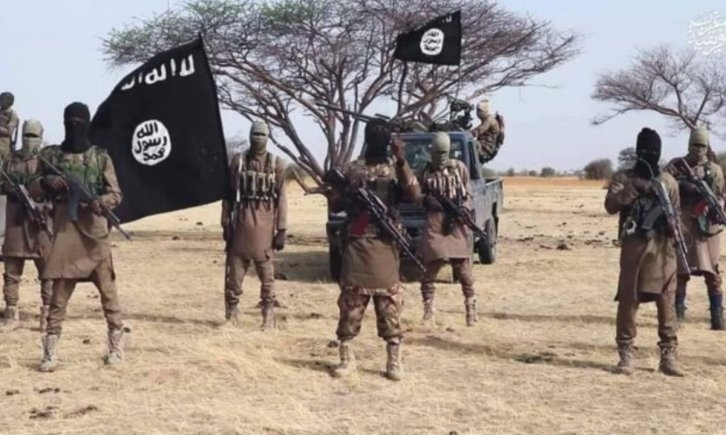
The Islamic State West Africa Province (ISWAP) has confirmed the death of its chief photographer and senior raid commander, Abu Salim al-Barnawi, who was killed during a failed attack on a Nigerian military base last week. The development, reported by counter-insurgency analyst Zagazola Makama, marks a significant blow to the terrorist group’s propaganda and operational capabilities. ISWAP circulated an official obituary announcing his death, confirming he was among the fighters neutralised by Nigerian troops during the assault. The attack, which took place in the Lake Chad region, was repelled by Nigerian forces, resulting in multiple casualties among ISWAP operatives.

Abu Salim al-Barnawi was a key figure in ISWAP’s media operations, responsible for overseeing photography and video production used to document combat activities and disseminate propaganda. His role was crucial in recruiting new members and maintaining morale within the group through strategic messaging. Before transitioning into media work, he commanded several cross-border raids into Cameroon, where he led attacks against security forces. His shift from frontline combat to propaganda coordination highlights the evolving structure of ISWAP’s operations, where media influence plays a growing role in sustaining the insurgency.

Makama noted that Abu Salim’s death is a major setback for ISWAP’s propaganda machinery. His coordination of video content and distribution channels helped the group project strength and attract support both locally and internationally. Losing such a high-profile media operative disrupts the flow of information and reduces the group’s ability to manipulate public perception. The obituary released by ISWAP underscores the group’s acknowledgment of his importance, as they formally mourned his loss and highlighted his contributions to their cause.

The military base attack, which occurred days before the confirmation of his death, was one of several recent offensives by ISWAP in the region. Nigerian troops successfully repelled the assault, inflicting heavy losses on the insurgents. The operation demonstrates the continued effectiveness of Nigerian military responses in countering ISWAP’s advances. Security analysts believe that the death of Abu Salim may lead to a temporary disruption in ISWAP’s media output, potentially affecting their recruitment and operational planning.

As Nigeria continues to face threats from Boko Haram and ISWAP in the Lake Chad Basin, the loss of key commanders like Abu Salim al-Barnawi could weaken the group’s operational and psychological warfare strategies. His death may also signal a shift in ISWAP’s tactics as they adapt to increasing military pressure and internal leadership challenges. The ongoing conflict remains a critical concern for regional stability, and the Nigerian military’s ability to neutralise high-value targets will be closely watched in the coming months.