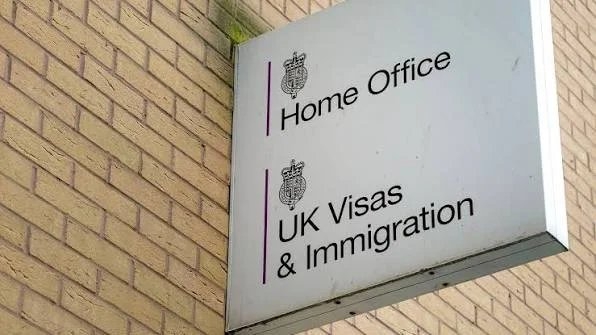
The UK government has announced a major overhaul of its immigration rules, introducing stricter visa requirements, expanded deportation powers, and a more uniform framework for work, study, and family migration. The changes, detailed in Statement of Changes HC 259 laid before Parliament on July 9, 2026, amend 42 sections of the Immigration Rules and affect employers, educational institutions, sponsors, and migrants across multiple visa pathways. The new regulations aim to streamline the system while increasing enforcement, particularly for those with criminal records or overstaying their visas.
The most notable change involves the expansion of deportation powers. Foreign nationals convicted on or after March 22, 2026, who receive suspended prison sentences of 12 months or more will now be treated the same as those given immediate custodial sentences. This means deportation will be mandatory unless specific exceptions under private or family life rights, or Human Rights Act provisions, are met. The update also applies to entry clearance and Electronic Travel Authorisation (ETA) applications, where the phrase “or suspended” has been added after “custodial” to allow refusals on the same grounds.
Another key change is the introduction of a statutory requirement for the Secretary of State to review immigration regulations every five years. This review must demonstrate that any regulatory burden on businesses, schools, or community groups cannot be achieved through less restrictive means. This provision aims to ensure that immigration rules remain proportionate and effective.
The changes will be implemented in phases. Amendments related to Appendix EU and Appendix EU (Family Permit) take effect on July 30, 2026, while all other changes come into force on August 3, 2026. A “Safe Harbor Provision” ensures that applications submitted before August 3, 2026, will be processed under the old rules in force on August 2.
The government has also introduced a standardised text across 30 visa appendices, eliminating previous inconsistencies. Applicants must not be in breach of immigration laws or on immigration bail, unless exceptions for overstayers apply. This uniform rule applies to work visas like Skilled Worker, Global Talent, and Start-Up, as well as study routes such as Student and Graduate, and family routes including Long Residence and Adult Dependent Relative.
Specific exceptions exist for certain routes. For example, Hong Kong BN(O) applicants can have immigration bail disregarded only if placed on bail after making an asylum claim. Appendix ECAA applies the restriction only to conduct after 11:00 PM on December 31, 2020.
Other changes include allowing the Home Office to skip personal interviews in asylum claims for EEA or Swiss nationals if the claim is deemed “clearly unfounded,” and modifying the Skilled Worker route to base salary eligibility on the Certificate of Sponsorship issue date, not the application date. The Scale-Up route now includes neonatal leave in employment continuity calculations, and Appendix FM adds child protection clauses requiring care arrangements to comply with UK law. Indian nationals with diplomatic passports are also granted an administrative exemption under Appendix V (Visitor).
These sweeping reforms signal a shift toward a more rigid, enforcement-focused immigration system in the UK, with long-term implications for migrants and institutions alike. The changes are expected to shape migration patterns and policy debates for years to come.





Leave a Comment