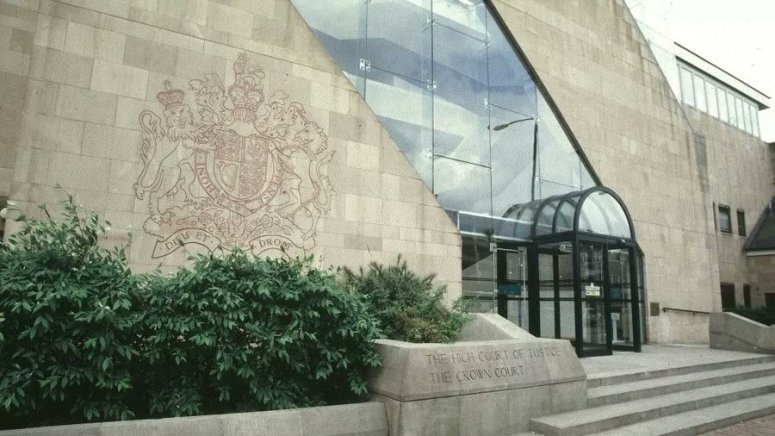
A Nigerian bioscience graduate, Martin Fatunmbi, has been sentenced to 14 months in prison after failing to appear for his trial, with Judge Michael Auty KC describing him as “a fool” for his absence. The 47-year-old, who has lived in the UK since 2004, was convicted in absentia for fraud by false representation and breaching bail conditions. He was caught attempting to secure a Vodafone contract using false documents, including a passport and bank card bearing another person’s name. The case, which originated in Nottingham, took a serious turn when Fatunmbi skipped bail last year, prompting police to issue a missing person’s appeal.
Fatunmbi, who works for a bioscience company in Kent, appeared in court this week to present his defence. He told the judge he had been estranged from his family and had been living in his car due to homelessness. He explained that his unstable living situation made it impossible for him to receive court summonses, as he had no fixed address. He also revealed he relied on bathroom facilities at his workplace to bathe, highlighting the severity of his circumstances.
His lawyer, Digby Johnson, submitted that Fatunmbi had a biosciences degree and had been gainfully employed since arriving in the UK. Johnson noted that Fatunmbi’s marital breakdown in 2019 led to his homelessness, despite a brief reconciliation. He emphasized that Fatunmbi had been trying to work and support his four children, but now faced custody and potential deportation. Although Fatunmbi’s leave to remain in the UK has expired, his lawyer mentioned a recent meeting with the border agency, suggesting he may still be allowed to stay due to his employment and family ties.
Judge Auty KC rejected the defence, stating that Fatunmbi had already forfeited his right to defend himself by failing to appear. The judge added two months to the original 12-month sentence, citing the seriousness of both fraud and failing to appear in court. Detective Constable Nathan Wall, leading the investigation, stressed that these offences are treated with significant gravity by law enforcement.
Fatunmbi now faces the dual consequences of imprisonment and possible deportation, raising concerns about the intersection of homelessness, legal rights, and immigration policy. His case underscores the challenges faced by individuals living in precarious conditions, even when they are law-abiding professionals. As the legal process continues, his future remains uncertain, with the hope that his employment and family connections may influence decisions on his deportation status.


Leave a Comment