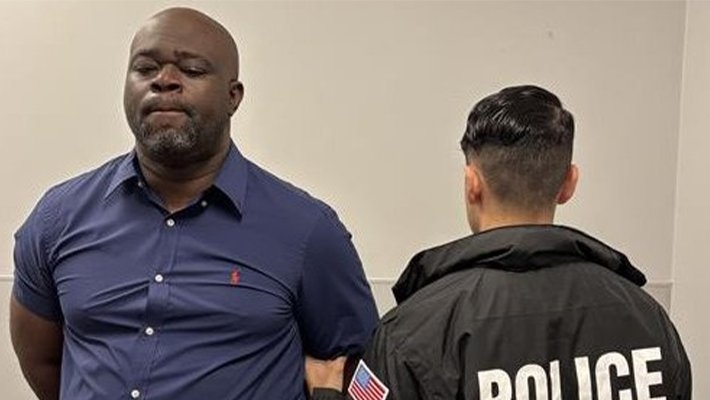
A U.S.-based Nigerian national, Etinosa Osahon, has been arrested by U.S. Immigration and Customs Enforcement (ICE) officers in Los Angeles, marking another high-profile case in the ongoing crackdown on illegal immigration under President Donald Trump’s administration. The arrest, confirmed by ICE Los Angeles in a social media post on Saturday, took place on May 21. Osahon, 49, is now in federal custody and faces potential deportation back to Nigeria due to a history of serious criminal offenses.
ICE officials disclosed that Osahon’s criminal record includes theft, possession of stolen mail, bank fraud, and aggravated identity theft. These charges classify him as a priority for removal under U.S. immigration enforcement policies. The agency emphasized that he remains in ICE custody pending formal deportation proceedings, which will determine his next legal steps.
This arrest is part of a broader pattern targeting Nigerian nationals with criminal convictions in the United States. In the first quarter of 2026, the U.S. Department of Homeland Security released a list of 110 convicted Nigerian criminals identified as “worst of the worst” offenders in America. These individuals, including Osahon, are scheduled for deportation after completing their prison sentences. The move reflects a coordinated effort to enforce immigration laws and remove individuals who have violated U.S. legal standards.
The case has drawn attention in both Nigeria and the U.S., especially as discussions around immigration reform and deportation policies continue to intensify. Many Nigerians in the diaspora are closely watching how these enforcement actions affect their community abroad. The U.S. government’s focus on deporting convicted criminals from Nigeria underscores a shift toward stricter immigration controls, particularly under the current administration’s hardline stance on border security.
Osahon’s arrest follows similar actions against other Nigerian nationals with criminal records, highlighting the growing scrutiny of foreign nationals with prior convictions. The ICE announcement serves as a warning to undocumented immigrants and those with criminal histories, reinforcing the message that no one is immune from deportation if they violate U.S. laws.
As the deportation process moves forward, Osahon’s case will be reviewed under federal immigration regulations. His return to Nigeria could have implications for how the Nigerian government handles repatriated citizens with criminal records. The incident also raises broader questions about immigration enforcement, legal rights, and the treatment of diaspora communities.
This arrest is likely to be followed by more similar actions, as the U.S. continues to prioritize the removal of foreign nationals with criminal backgrounds. The case of Etinosa Osahon stands as a clear example of the increasing pressure on Nigerian nationals living abroad to comply with U.S. immigration and criminal laws.



Leave a Comment