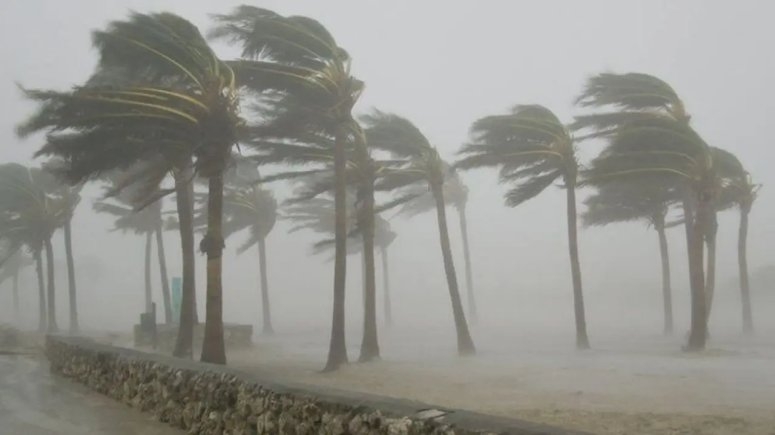
A devastating windstorm has claimed the lives of seven people and injured 53 others in Jigawa State, leaving widespread destruction across 120 communities in 13 local government areas. The incident, which occurred recently, has affected over 5,403 households, prompting urgent emergency response efforts by state authorities. Alhaji Hannafi Yakubu Fagam, Executive Secretary of the Jigawa State Emergency Management Agency (SEMA), confirmed the toll during a press briefing held on Wednesday at the State Secretariat in Dutse. He emphasized the scale of the disaster, which impacted critical infrastructure and displaced countless families.
The windstorm’s most severe impact was recorded in Dutse Local Government Area, where four fatalities were reported. One death each was also confirmed in Miga, Ringim, and Sule Tankarkar local government areas. The affected councils include Dutse, Miga, Gwaram, Birnin Kudu, Ringim, Kiyawa, Babura, Kiri-Kasamma, Buji, Kaugama, Gumel, Gagarawa, and Sule Tankarkar. Fagam stated that the storm caused extensive damage to public infrastructure, including the destruction of more than 47 primary and secondary schools, three hospitals, two police stations, and numerous residential buildings.
The destruction has left many families without shelter, and the immediate needs of survivors include food, water, medical care, and temporary housing. In response, the Jigawa State Government has approved emergency funds to support relief efforts and the distribution of essential supplies to affected communities. SEMA is coordinating the response, ensuring that aid reaches the most vulnerable households. Fagam urged international development partners, national organizations, and members of the public to contribute to the ongoing relief operations.
He stressed that the support from external agencies and individuals will be crucial in helping victims recover and rebuild their lives. The state government remains committed to providing emergency assistance, but the scale of the disaster requires a collective effort. The windstorm has highlighted the vulnerability of communities in northern Nigeria to extreme weather events, underscoring the need for improved disaster preparedness and resilient infrastructure.
As recovery efforts continue, authorities are assessing the full extent of the damage and planning long-term rehabilitation. The incident serves as a stark reminder of the increasing frequency of climate-related disasters in the region. Moving forward, coordinated action from government, civil society, and development partners will be essential to mitigate future risks and support affected populations.




Leave a Comment